
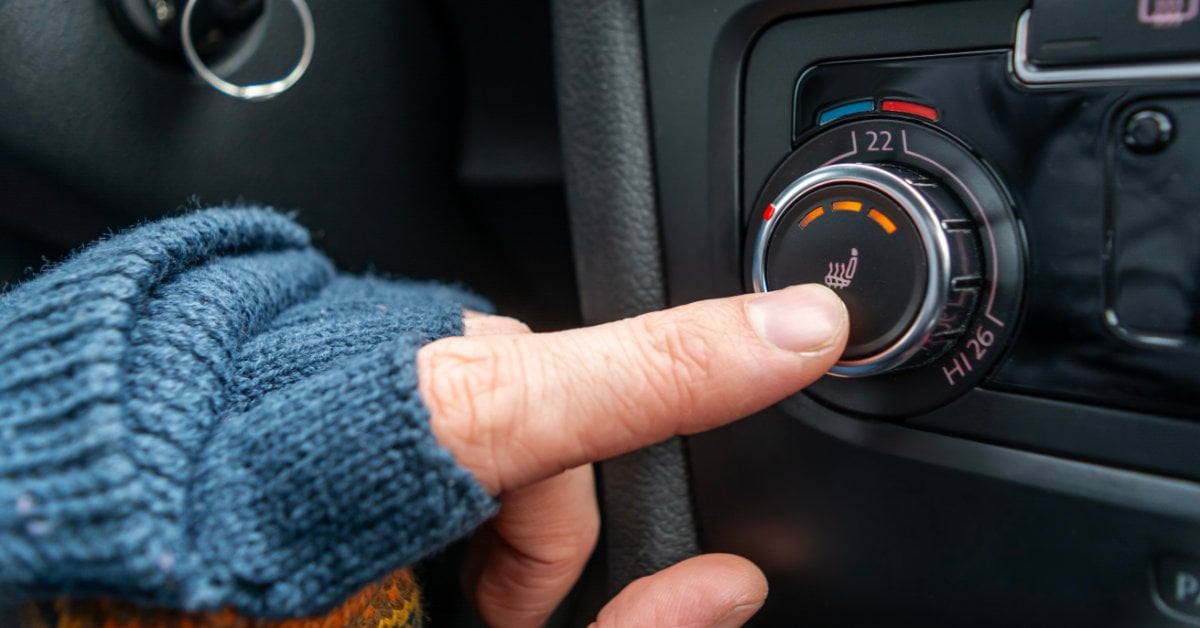
Cold weather puts stepvans on the clock before the first delivery even happens. The engine may start, but the day still begins with fogged glass, numb hands, and a windshield that refuses to cooperate. So, what causes this? The heater motor controls the airflow that clears the glass and warms the driver area, so it directly affects how quickly a route can start safely. Here are the main reasons why stepvan heater motors help cold-weather starts.
What a Stepvan Heater Motor Controls
A heater motor spins the blower wheel inside the HVAC housing. That wheel pushes air across the heater core, then sends it toward the floor or defrost vents, depending on the selector position. The heater core can produce plenty of heat, but you won’t feel much of it if the motor can’t move air with authority. In winter, airflow becomes the difference between a clear windshield and a slow, frustrating start to your day.
Airflow also controls how fast the cab stabilizes after each door cycle. Warm, moist air quickly condenses on cold glass. The blower clears that moisture by moving warm air across the windshield and exhausting humid air through circulation and leakage.
Airflow Beats Temperature
Drivers often assume the fix is “hotter air,” but the windshield doesn’t care about your temperature knob. Glass clears when warm, dry air moves across it in sufficient volume, and weak airflow delivers heat slowly, leaving moisture sitting in place.

Why Stepvans Can Lose Heat and Visibility
Stepvans aren’t known for their insulation. The windshield area is large, the cab sealing often isn’t perfect, and the driver’s door sees constant use. Every time the door opens, cold air floods in and humidity changes instantly. The HVAC system must respond quickly, or the windshield fogs again before the next intersection.
Route driving also keeps the engine heat lower than highway driving. Many stepvans idle frequently, then move short distances at low speed, which limits how quickly the engine warms the coolant.
Heater Motor Changes Cold Weather Starts
Drivers often idle longer in winter for one reason: they want clear glass. When the blower moves strong air across the windshield, the driver can clear fog and frost sooner and start rolling at a sensible pace.
A heater motor also influences how quickly the driver reaches a stable “working” cabin environment. When airflow stays weak, the driver tends to crank the blower and recirculation, wipe windows, and keep idling until things feel safe. That routine may look harmless, but it quietly steals time every morning and increases frustration.
Why Blowers Fail on Cold Mornings
Cold mornings stack electrical demand right at startup. Batteries supply heavy current for cranking, and drivers immediately switch on headlights, wipers, and so on. Then, the alternator output often lags at idle, especially on short warmups, so the voltage can dip at exactly the wrong moment.
A blower motor that already runs on the edge will slow down noticeably under that voltage drop. The motor then spins more slowly, draws more current, and heats the connection further, creating a cycle that ends in melted plastic or intermittent operation.
How to Diagnose Weak Defrost Systems
Start with what matters: airflow at the windshield vents. Set the system to defrost, switch to high, and confirm strong airflow at the defrost outlets. Then test the same setup at idle with headlights, wipers, and any warning lights running. If airflow drops drastically at idle, you likely have a voltage drop or an over-amp motor.
Next, measure the voltage at the blower connector while the motor runs. Compare that number to the battery voltage under the same load, then track the difference across the feed and ground sides. If the voltage stays healthy but the airflow remains weak, inspect the blower wheel for rubbing, heavy debris, or a loose fit on the shaft.
Here are the checks fleets use when they want answers fast:
- Confirm airflow at defrost vents on high, not just fan noise.
- Measure the voltage at the blower connector at idle with loads on.
- Check the resistor pack and connector for discoloration or melted areas.
- Inspect blower wheel clearance and look for debris in the housing.
- If possible, test and compare the motor current draw to the expected range.
- Check ground integrity with a voltage-drop test under load.
Choosing the Right Heater Motor for Your Stepvan
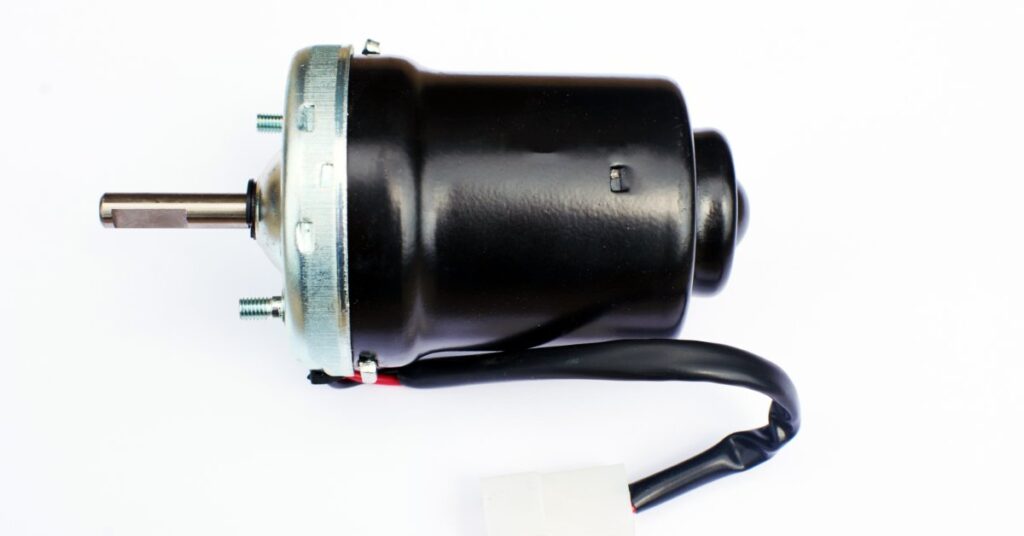
Stepvans vary by manufacturer, model year, HVAC housing, and connector style, so you must match the motor to the exact configuration. Knowing the blower wheel design and rotation direction is crucial here, as the wrong wheel can move less air even when the motor spins vigorously. Some blower motors have a sticker on them to indicate their manufacturer and part number, making it easier to find a replacement when needed.
Bearings, brushes, and balancing all determine whether the motor stays smooth over a full winter season. A cheap motor may run fine at first, but slow down under load when temperatures drop. That slowdown brings you right back to fogged glass and longer starts.
Why “Close Enough” Fitments Fails
A connector that “almost fits” creates intermittent power loss and heat damage, and a wheel that “looks similar” can reduce airflow at the exact vent you need. Additionally, a motor that sits slightly off-center can rub and drag, which increases current draw.
Installation Details That Can Help Prevent Failures
Replacing a heater motor should solve the problem, not restart it. Clean the HVAC housing before you install the new motor. Then, inspect the blower wheel carefully and replace it if it cracks, warps, or collects heavy buildup. A balanced wheel protects the motor and keeps speed steady under load.
You also need to address electrical weak points during installation. If the blower connector shows heat damage, repair or replace it, because resistance there will slow the new motor and cause the plug to overheat again. If lower speeds failed previously, replace or inspect the resistor pack and the connector pigtail to avoid repeating the same symptom. Finally, test all speeds and verify airflow at defrost vents before the truck returns to service.
Keep Cold Weather Starts Predictable
Cold weather starts to feel easier when the windshield clears quickly, and the cab recovers after every door cycle. A healthy heater motor delivers the airflow that makes defrost effective at idle, which is where stepvans tend to struggle most. If you’ve been digging into why stepvan heater motors help cold-weather starts, it comes down to one practical win: steady airflow that supports safe visibility and a smoother departure routine.
Need to replace your heater motor? Mill Supply offers truck parts that help restore strong airflow for faster defrost, clearer visibility, and a cab that can actually recover between door cycles. Swap the right components now so your stepvan leaves on time and handles winter mornings like it’s supposed to.
Leave a Reply