
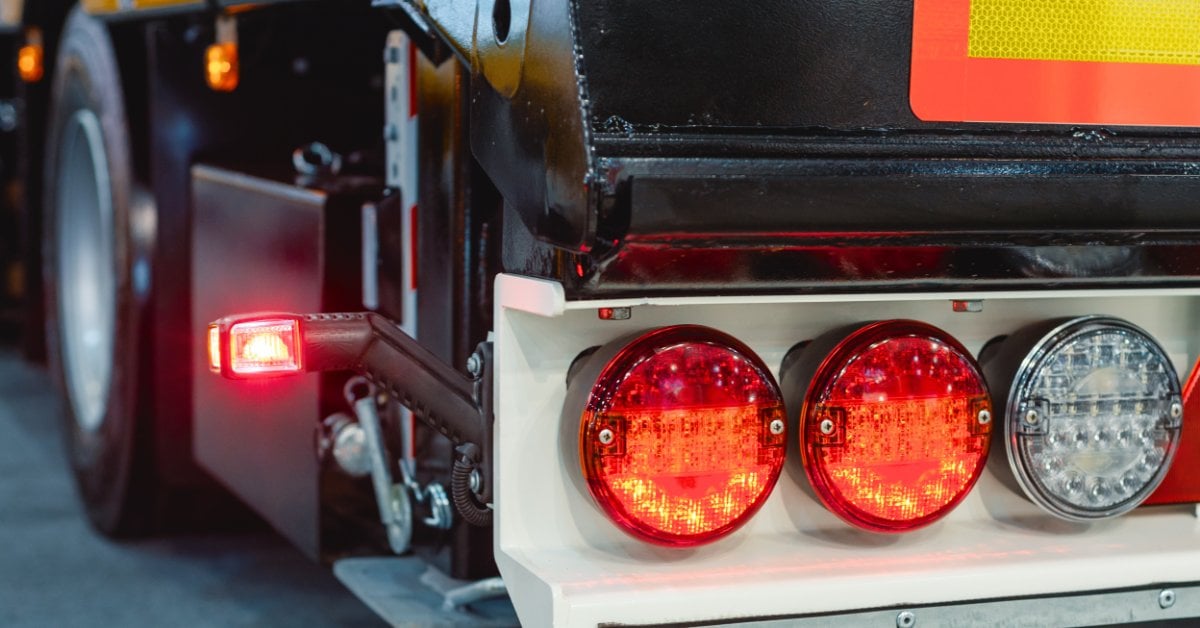
Magnetic vehicle lights give fleets a fast, flexible way to improve visibility without a permanent install. Crews can deploy and move them between units in minutes, removing them when the task ends.
That portability helps fleet managers support mixed vehicles, rotating routes, and seasonal work without slowing operations. They also provide a reliable backup when a permanent light bar fails, and you need visibility right away. Read on to understand the common applications for magnetic vehicle lights.
Why Fleets Keep Magnetic Lights in the Toolbox
Fleets choose magnetic vehicle lights because they balance safety and speed. A supervisor can outfit a truck on short notice without sending it into the shop for wiring work. Portable lighting also supports mixed fleets because a pickup, van, and box truck can share the same warning light kit. That standardization simplifies training and reduces the odds of inconsistent field setups.
Magnetic lights also help when permanent systems fail. A broken light bar or harness can sideline a vehicle without a backup. A magnetic beacon is a quick and easy substitute until you schedule a proper repair.
Roadside Service and Emergency Visibility
Roadside calls create high-risk moments because traffic moves fast and drivers get distracted. Magnetic warning lights help approaching drivers recognize a stopped service vehicle sooner, especially in rain, fog, and darkness. That extra recognition time gives technicians more room to work and reduces the chance of a near miss.
Roadside work also changes quickly, so crews need gear that adapts in minutes. A tech might arrive during daylight and finish after sunset, or a sudden storm might cut visibility in half. A magnetic light offers a quick way to increase visibility without having to drive back for equipment.

Utility Work and Mobile Maintenance
Utility fleets and mobile service teams operate around lanes, sidewalks, and changing traffic patterns. Magnetic vehicle lights help mark a work truck as part of an active work zone, even during short stops. That visibility protects technicians when they step out, open compartments, and move tools near passing vehicles. Fleet maintenance service teams often see fewer incidents when crews consistently deploy lights at every roadside-style stop.
Matching Light Patterns to the Environment
Different environments call for different flash patterns and intensities. A residential setting often benefits from a calmer pattern that still signals caution. Meanwhile, a high-speed shoulder benefits from a more attention-grabbing pattern that stands out in peripheral vision. Your fleet should set standards that align with local rules, job type, and driver expectations.
Snow and Winter Route Support
Winter weather makes it harder for drivers to see and react quickly, so fleets need fast, reliable safety equipment. Support trucks that fuel, repair, and shuttle crews often stop near active plow routes and staging areas. Magnetic lights help those trucks stand out during stops, especially when blowing snow and salt spray hide vehicle outlines. Seasonal work also makes portable lights attractive because you can quickly equip temporary units.
Yards and shop areas also get riskier during storms because equipment moves through tight lanes and snowbanks. A service truck equipped with a beacon provides operators with clearer signals when it moves near other vehicles and pedestrians. Before setting up the beacon, clear snow from the mounting area so the magnets make proper contact with the surface.
Towing, Recovery, and Transport Scenes
Tow-and-recovery work often takes place in the worst spots, including narrow shoulders and low-visibility lanes. Magnetic lights help define the work zone while crews load vehicles and manage traffic. They also support secondary vehicles on scene, such as a supervisor pickup or roadside assistance van. When multiple units respond, portable lights help keep the scene organized and visible.
Transport drivers also make frequent stops at lots, docks, and service areas where traffic behavior varies. A temporary warning light can reduce unexpected interactions when trucks back up, turn, or idle near pedestrian zones. Magnetic lights can also cover gaps when a hardwired system fails during after-hours work. Fleets that keep a standard recovery kit reduce delays and improve safety consistency across operators.
Yard, Dock, and Facility Logistics
Distribution yards and dock areas include forklifts, pedestrians, trailers, and tight turning radii. Magnetic vehicle lights help site vehicles stand out during peak traffic windows, especially in low light or bad weather. A portable beacon can improve awareness around crosswalks, dock doors, and trailer rows, reducing the chances of yard incidents.
Event sites and campuses also benefit from portable visibility tools. Parking control teams, shuttle support vehicles, and site logistics drivers often operate in dense pedestrian areas. Magnetic lights give these teams a quick way to signal stops and movements without installing permanent equipment on every unit. When the event ends, crews remove the lights and return vehicles to normal use.
Selecting Magnetic Vehicle Lights
Treat magnetic lights like any other truck supply that supports safety and uptime. Start with the use case, because daily use demands higher durability than occasional deployment. Also, look for a design that stores cleanly and resists damage during transport.
Here are practical selection points many fleets use when standardizing magnetic vehicle lights:
- Choose a magnet base that holds firm on clean metal at your expected speeds.
- Pick a light output and lens design that drivers can see from multiple angles.
- Verify flash patterns and colors that align with your local requirements.
- Select cord length and strain relief that resist daily pulling and pinching.
- Decide on a power style that fits your fleet, including a 12V plug or rechargeable.
- Confirm weather resistance that matches rain, snow, and road spray exposure.
Stock Truck Supplies That Keep Work Moving
Magnetic vehicle lights earn their place because they solve visibility issues quickly in the environments fleets face every week. They support roadside calls, short work zones, winter operations, towing scenes, and busy yards where attention gaps create real risk. If you want the simplest path forward, focus on the common applications for magnetic vehicle lights and stock the truck supplies that support those scenarios before the next urgent call.
Mill Supply’s medium-duty truck accessories lineup highlights the kinds of essentials fleets rely on, including LED warning lights, mirrors, brake parts, and liftgate parts. That range supports a practical goal: keep vehicles safe, functional, and ready for the next route. Build your list, stock with intention, and use Mill Supply to keep your truck supplies ready for real work.
Leave a Reply