
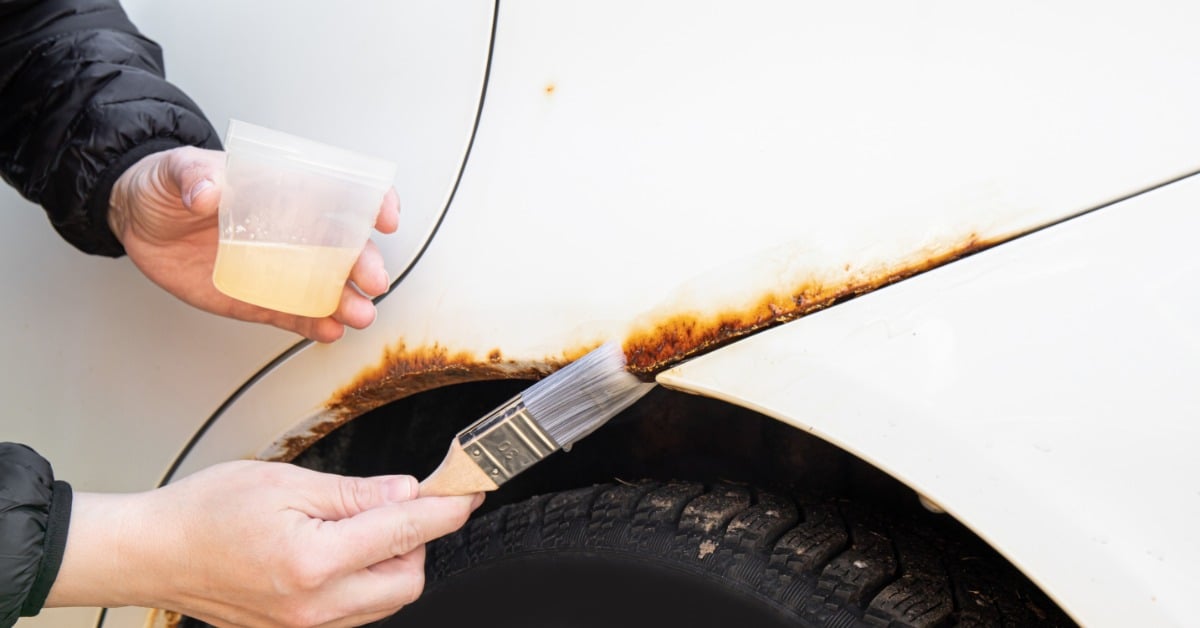
If you own an older vehicle, you have likely encountered the orange plague that eats away at fenders and floor pans. Rust happens when iron interacts with oxygen and moisture. It is a chemical inevitability for most steel objects left exposed to the elements.
Grinding and sandblasting work well to remove rust, but both methods are messy and require a lot of effort. That’s where chemical solutions come in! If you understand what a rust encapsulator does and why it’s worth using one, you might just save your project car. Let’s take a look at the science behind this handy tool.
Understanding the Chemistry of Rust
Before you tackle rust, it helps to know exactly what you’re dealing with. Iron oxide forms when iron reacts with oxygen and water, and this electrochemical process slowly weakens your metal. If you ignore it, rust will keep eating away at the structure until the metal fails.
Traditional methods for addressing this issue involve removing the compromised metal entirely. You might cut out the infected area and weld in new steel, or blast the surface with abrasive media until only bare, shiny metal remains. These are excellent methods, but they require specialized tools, significant skill, and plenty of time.
How Encapsulators Work
A rust encapsulator works differently from a remover or converter. A remover uses acid to dissolve rust and leaves bare metal that you must prime right away. A converter changes iron oxide into a more stable substance, usually iron phosphate, which turns the surface black. An encapsulator, though, seals the surface so rust can’t spread.
Think of an encapsulator as a high-tech suffocating agent for corrosion. It penetrates deep into the porous rust structure and hardens. This creates an airtight seal that cuts off the oxygen supply. Without oxygen, the chemical reaction that causes rusting cannot continue, stopping the corrosion process in its tracks.
The Application Process
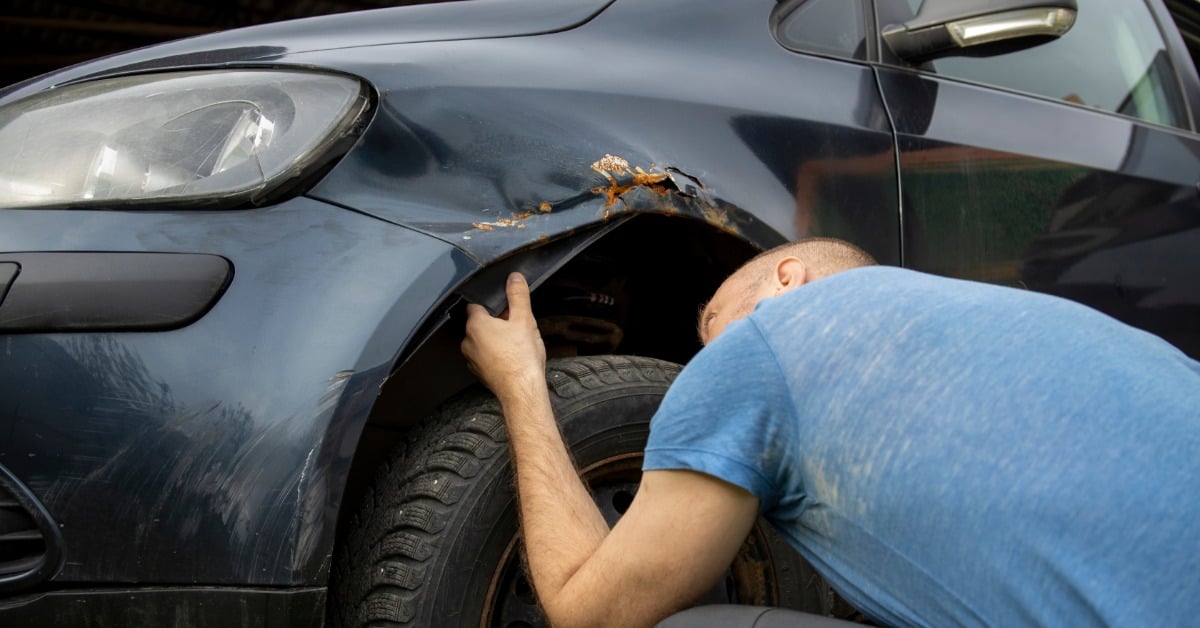
Applying a rust encapsulator is usually much easier than stripping a chassis down to bare metal. Prep still matters, but it’s less intense than with other methods. Start by brushing or scraping off any loose rust and debris.
You want to get rid of the stuff that is falling off, but you do not need to polish the metal. In fact, encapsulators often adhere better to a slightly rough or rusty surface than to a perfectly smooth steel surface.
Once the loose stuff is gone, clean the area with a degreaser to strip away oil, wax, and road grime. Let it dry, then apply the encapsulator with a brush, roller, or spray gun.
Durability and Protection
People choose encapsulators mostly because they’re tough. These coatings stand up to harsh environments and resist chips, scratches, and chemicals.
Once cured, the encapsulator forms a tough barrier that prevents moisture from penetrating. This makes it an ideal choice for undercarriages, frame rails, and suspension components that take a beating from road debris and salt.
The longevity of the repair depends on the quality of the product and the surface preparation. Most encapsulators act as primers, so you can paint over them with standard automotive paint once they cure. This allows you to restore the cosmetic appearance of the part while knowing the metal underneath is protected.
Cost and Time Efficiency
Restoring a vehicle can be expensive. Every dollar saved on materials or labor helps get the project closer to the finish line. Sandblasting requires a large compressor, a blast cabinet or pot, and expensive media. Welding requires a welder, gas, wire, and the skill to use them without warping the metal. An encapsulator costs a fraction of the price of this equipment.
Time is the other major factor. Stripping a frame by hand can take days of dirty, back-breaking work. Applying an encapsulator might take an afternoon. If you are a hobbyist working in your garage on weekends, that efficiency is massive. It means you can get to the fun part of reassembling the car sooner.
Safety and Handling
Chemicals used in rust encapsulation are potent. You need to respect them. Most contain solvents that release strong fumes during application. Working in a well-ventilated area is mandatory. If you are spraying the product, you must wear a proper respirator to protect your lungs from airborne particles and volatile organic compounds.
You should also wear gloves and eye protection. These coatings are designed to stick permanently to rough, rusty metal. They stick just as well to skin and are difficult to remove once dried. Protecting yourself and your workspace saves you from a difficult cleanup later. Proper storage of leftover material is also important, as exposure to air will cause the product to harden in the can.
Environmental Considerations
Using an encapsulator can be cleaner for the immediate environment than sanding or blasting. Mechanical removal creates dust that may contain lead from old paint or other hazardous materials. This dust settles everywhere and can be inhaled or tracked into the house. Encapsulation traps those contaminants under the coating.
However, the product itself is a chemical. You must dispose of empty cans and cleaning solvents in accordance with local regulations. Do not pour leftover product down the drain. Many formulations are high-solids and low-VOC (Volatile Organic Compounds), making them more environmentally friendly than older paint technologies. Checking the safety data sheet will tell you exactly what you are working with and how to handle it responsibly.
Choosing the Right Product
The market offers a variety of brands and formulations. Some are UV stable, meaning they can be left as a topcoat exposed to sunlight. Others are sensitive to UV rays and must be top-coated if they will be exposed to the sun. Some are thin and designed to wick into tight seams; others are thick and high-build to fill in deep pits.
Read the technical data sheets for the products you are considering. If you are unsure, stick to a system from a single manufacturer. Companies often design their cleaners, encapsulators, and topcoats to work together chemically. This prevents reactions that could ruin your finish, like wrinkling or lifting.
The Value Proposition
When you weigh the options, understanding what a rust encapsulator is and why it’s worth using becomes clear. It offers a balance of performance, ease of use, and cost-effectiveness that is hard to beat. It extends the life of components that would otherwise need to be replaced. It allows you to save the original parts, preserving the vehicle’s authenticity.
Don’t let rust be the end of the road for your beloved vehicle. If you’re facing corrosion that’s beyond the capabilities of an encapsulator, turn to Mill Supply. We have been providing the parts you need since 1944. We carry a wide range of high-quality, affordable rust-repair panels and everything else you need to get your vehicle back in pristine condition. Browse our inventory today!
Leave a Reply