
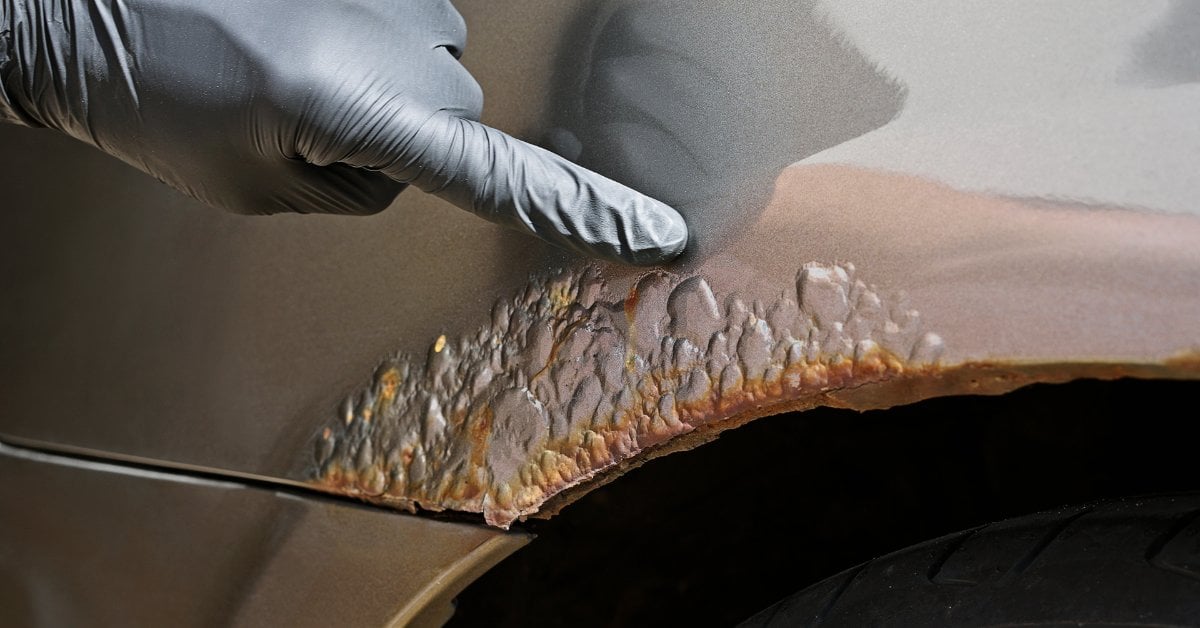
You might notice a small rust spot and think it is no big deal. It could show up along a rocker panel or at the bottom of a door. At first glance, it feels like something you can deal with later. The problem is that rust rarely waits patiently.
When you explore the real cost of ignoring rusted body components, you quickly realize it goes far beyond appearance. Rust weakens metal and damages nearby hardware. On work trucks and step vans, it can also interfere with daily operations.
Rust Spreads Faster Than Many Drivers Expect
Rust forms when metal reacts with oxygen and moisture. Once that process begins, it does not slow down on its own. Road salt makes things worse by helping moisture cling to metal and accelerating corrosion. When paint or protective coatings break down, exposed metal becomes vulnerable.
What makes rust tricky is how it spreads beneath the surface. You might see bubbling paint, but the real damage often sits underneath. By the time rust becomes obvious, the metal behind it may already be compromised.
Moisture Finds the Weak Points
Lower sections of your vehicle take the most abuse. Road spray and slush constantly hit those areas. If water gets trapped in seams or behind trim, it gives rust more time to develop. Even small drainage issues can give corrosion the opportunity it needs to spread.
Cosmetic Rust Can Become Structural Trouble
At first, rust may seem like a cosmetic issue. In some cases, surface rust can be cleaned and refinished. However, once corrosion reaches structural areas, the situation changes. Supports, mounting points, and step structures all rely on solid metal.
If you drive a work truck or step van, you depend on those components every day. A rusted step can weaken over time, while a corroded door frame can make it difficult to close the door. Each of these issues creates new opportunities for rust to spread.
Rust also affects how parts stay attached. When mounting points weaken, hardware may loosen. If the metal behind the components fails, replacing the visible part will not solve the problem.
The Repair Cost Usually Grows With Time
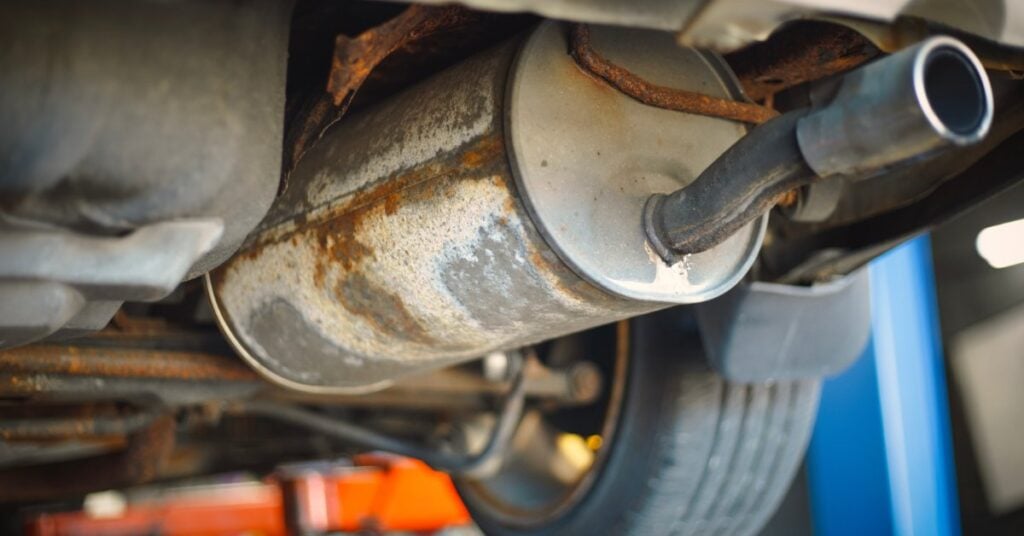
The longer you wait, the more expensive rust repair becomes. Early-stage corrosion may only require cleaning and repainting. However, once the metal starts to deteriorate, repairs become more involved. Technicians may need to cut out damaged sections or replace entire panels.
As rust spreads, it often affects nearby components. A small issue near a wheel arch can spread to the surrounding panels. A rusted door bottom can damage seals and allow water inside. Each added problem increases the total repair cost.
The Cheapest Repair Window Is Early
You save the most money by addressing rust early. At that stage, you can preserve more of the original panel and avoid extensive bodywork. Once rust creates holes or weak edges, repairs become more complex and costly.
Rust Can Create Safety and Visibility Issues
Rust does more than affect appearance. It can also impact safety. If corrosion weakens light mounting areas, lights may loosen or fail. If it affects the mirror brackets, visibility can suffer. If steps or supports weaken, getting in and out of the vehicle becomes less secure.
These issues matter even more for daily-use vehicles. Drivers rely on stable steps, secure doors, and clear lighting. A minor rust issue can quickly become a safety concern once the vehicle is in motion. Rust can also create sharp edges. Damaged panels may cut wiring or create hazards during loading. Over time, these risks increase as corrosion spreads.
Downtime Can Cost More Than the Part
If you rely on your vehicle for work, downtime matters just as much as repair cost. When a truck sits in the shop, it is not generating income. If rust affects the critical components, you may need to take the vehicle out of service until repairs are complete. Waiting to make repairs often makes downtime worse. What could have been a quick replacement may turn into a larger repair.
When you address rust early, you stay in control. You can schedule repairs and order parts in advance to avoid last-minute disruptions. Emergency repairs rarely happen at a convenient time.
Resale Value Drops When Rust Is Visible
Rust affects how others see your vehicle. Even if it runs well, visible corrosion raises concerns. Buyers may question how well the vehicle has been maintained. That uncertainty can lower offers or make the vehicle harder to sell.
For commercial vehicles, appearance matters even more. A rusted truck can send the wrong message to customers, while clean, well-maintained body components help present a professional image. Rust does not always show up as obvious damage. Sometimes, the signs are subtle.
Watch for these warning signs:
- Paint bubbling near seams or lower panels
- Brown staining around fasteners or trim
- Soft metal around steps or door bottoms
- Flaking undercoating near exposed edges
- Loose lights, brackets, or panel hardware
- Water intrusion near seals or floor edges
- Rough panel edges that continue spreading
These signs do not always mean major repairs are needed. However, they do signal that it is time to take a closer look.
Replacement Parts Can Be Smarter Than Patchwork
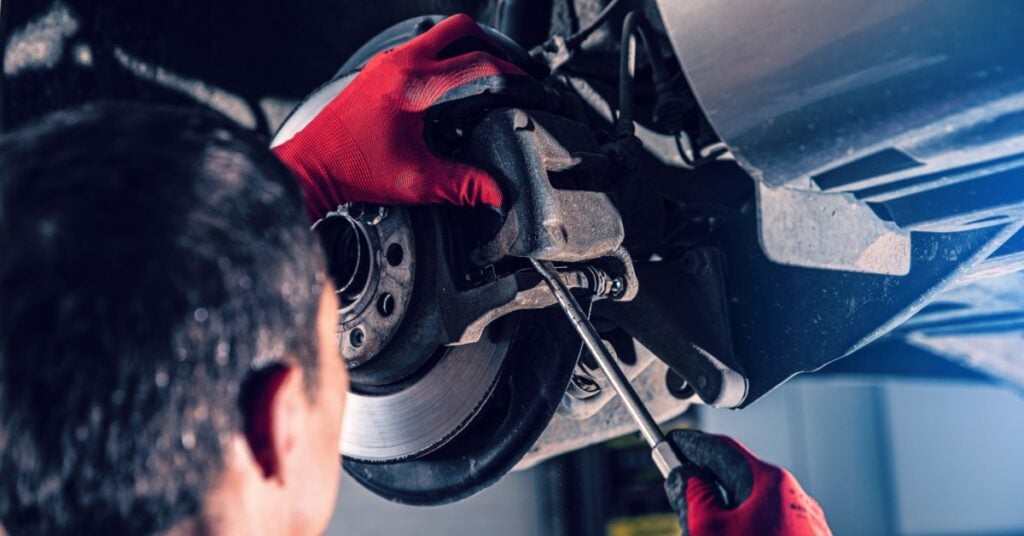
In some cases, replacing a rusted component makes more sense than patching it. If the metal has lost strength, a patch may only provide a temporary fix. The surrounding area still needs to support the repair. Replacement parts can also restore proper fit. When you install the right replacement part, you often save time and improve long-term results.
A good repair does more than improve appearance. It restores proper function. When a panel fits correctly, it seals properly and supports attached components. That helps prevent future rust from developing in the same area.
Preventing Rust After the Repair
Once you repair or replace a rusted component, prevention becomes the next priority. Proper preparation before painting or coating helps protect the metal, while sealing seams and maintaining drainage paths reduces the risk of future corrosion.
Regular cleaning also plays a big role. Washing away road salt and debris helps protect vulnerable areas. Keeping your vehicle clean and dry slows down corrosion. While prevention may not seem exciting, it saves you from having to repeat the same repair.
Stop Rust Before It Sets the Budget
Rust often starts small, but it rarely stays that way. When you consider the real cost of ignoring rusted body components, it becomes clear that early action is the key. Addressing rust sooner helps protect your vehicle and reduce repair costs. You gain more control when you act early.
Mill Supply supports those efforts with dependable auto body parts designed for real-world use. If rust has started to spread, now is the time to act! Take care of the problem before it grows, and keep your vehicle working the way it should.
Leave a Reply