
Rust is a common problem for vehicles that no driver wants to encounter, developing gradually and causing damage over time. If left unchecked, it can lead to costly repairs or even compromise your car’s safety. However, not all rust is the same. Surface rust and deep rust affect vehicles differently and demand unique approaches to manage.
This guide will help you understand the key differences between surface rust and deep rust, how to identify them, and what steps to take to prevent rust from damaging your vehicle. By knowing what to look for, you can protect your investment and ensure your vehicle remains safe and functional.
Common Causes of Vehicle Rust
Rust forms when metal comes into contact with moisture and oxygen over an extended period. Unfortunately, vehicles are particularly vulnerable to rust formation due to their exposure to rain, humidity, road salt, and other environmental elements.
Scratches, chips, and damage to your vehicle’s paint expose the underlying metal, which becomes rust-prone when left unprotected. Road salt, de-icing chemicals, and humidity can accelerate corrosion by seeping into cracks or lingering in crevices and damaging protective coatings.
Understanding the root causes of rust can help you proactively protect your vehicle. Now, let’s take a closer look at surface rust and deep rust.
What is Surface Rust?
Surface rust is the earliest and least severe stage of rust. It occurs when the protective paint or coating on your car is scratched or chipped, allowing moisture to interact with the top layer of metal. Unlike deeper rust, surface rust generally stays on the outermost layer and typically does not compromise the structural integrity of the vehicle. While it might seem like merely a cosmetic issue at first, addressing surface rust early prevents it from worsening.
Common Areas Surface Rust Forms
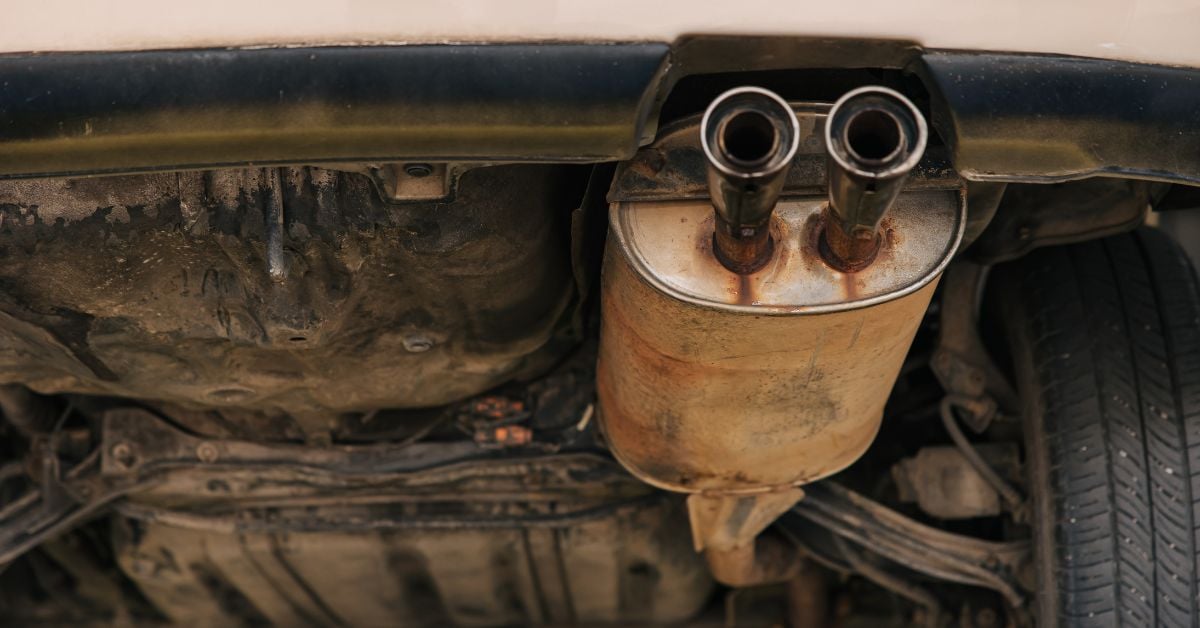
Surface rust often forms in the most exposed sections of a vehicle. Look closely at spots where dirt and moisture tend to accumulate, such as wheel wells, rocker panels, the exhaust area, and the car’s underside. Areas with chipped paint, scratched panels, or untreated damage are prime spots for rust development.
How To Identify Surface Rust
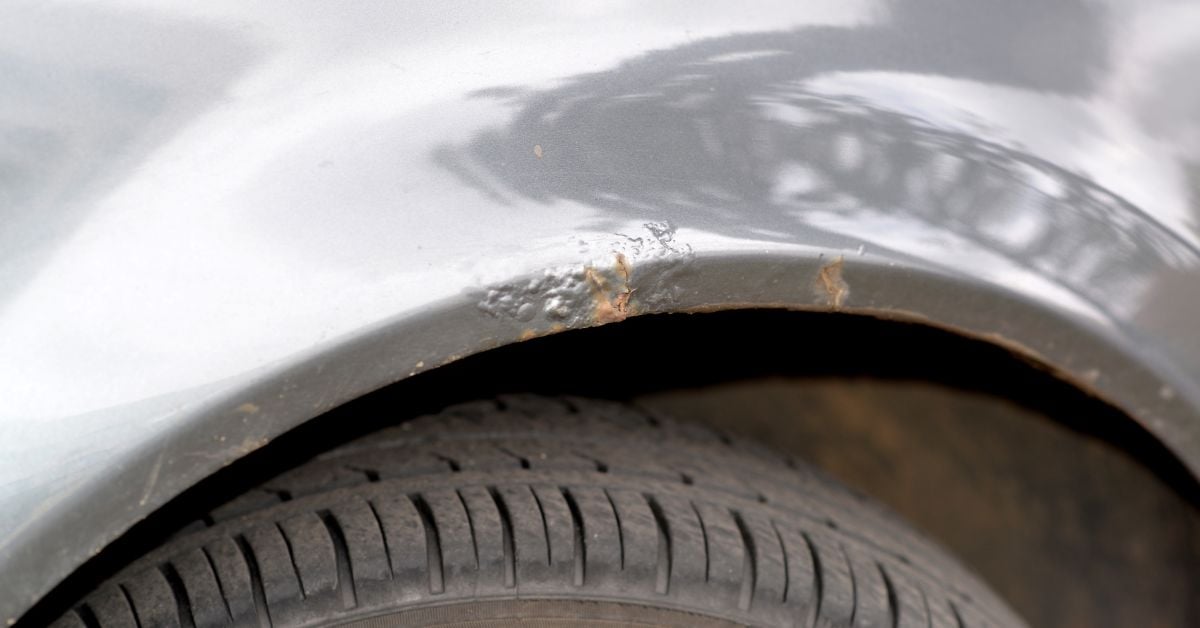
Surface rust is easy to spot with a simple visual inspection. It typically appears as small brown or orange spots on the paint that form over time. These patches are usually flat and should not feel rough or flaky to the touch, as flaking rust can signal deeper rust damage. If you spot these shallow rust patches, you should act promptly to address them before they can evolve into deeper damage.
What is Deep Rust?
Deep rust, also known as penetrating rust, is a more serious form of corrosion that can occur when surface rust is left untreated. It occurs when the protective paint layer has been completely eroded, exposing the metal underneath to moisture and oxygen.
If left untreated, deep rust can cause holes or significant damage over time, making repair more complex and expensive. Unlike surface rust, deep rust is a safety concern that can affect key structural components of your car, weakening its integrity.
Understanding the Dangers of Deep Rust
Deep rust has severe implications for your vehicle. When rust reaches the frame or essential components such as suspension systems or brake mounts, it could lead to dangerous driving conditions that compromise the vehicle’s stability and safety. Corroded frames can weaken under pressure, reducing your vehicle’s ability to absorb impact during accidents, increasing the risk of severe damage or injury during a collision. Addressing deep rust immediately is essential to prevent extensive structural damage to the vehicle.
How To Identify Deep Rust
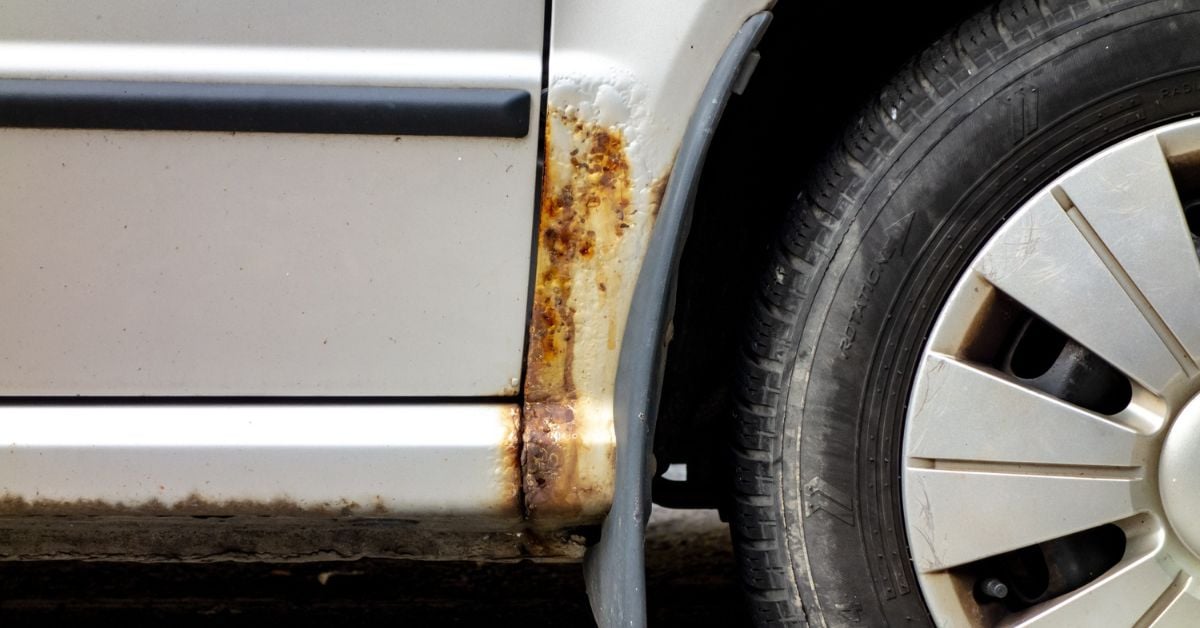
Detecting deep rust requires more than just a surface-level inspection. You’ll want to look for spots where rust appears flaky, bubbled, or has eaten through the metal, forming holes. Pressing on rusted areas might reveal weak or fragile spots, which are indicators that the rust has progressed beneath the surface. Examining the underside of your vehicle and inside wheel wells might uncover deeper rust that isn’t visible at first glance.
The Main Differences Between Surface and Deep Rust
The primary distinction between surface and deep rust lies in how far the corrosion has penetrated the metal. Surface rust is confined to the outermost layer, making it easier to remove, repair, and repaint. It doesn’t compromise the structural integrity of the vehicle if treated early.
On the other hand, deep rust extends beyond the surface, often resulting in flaking metal, holes, and weakened structures. Addressing deep rust typically requires replacing the affected panels or structural components, as the damage compromises the integrity of the material and can no longer be resolved through simple cleaning or surface treatments.
If left unaddressed, surface rust can eventually turn into deep rust over time. Regularly inspecting your vehicle for any signs of rust and promptly addressing them can help prevent costly repairs in the future. In addition to regular inspections, there are also preventative measures that can help reduce the risk of rust formation over time.
How To Prevent Vehicle Rust
The first proactive approach drivers should take to prevent surface rust is regularly washing their vehicles. Mud, road salt, and other grime trap moisture against your vehicle’s metal surfaces, creating the perfect conditions for rust to form. Pay extra attention to washing undercarriages, wheel wells, and other hidden areas where debris accumulates.
Apply a protective wax or rust-proofing treatment to add an extra layer of defense against moisture. These coatings are especially valuable if you live in regions that experience heavy snowfall or high humidity. Inspect your car for paint scratches, chips, or dents, and address them promptly to prevent moisture from creeping in. Small areas of damage can be quickly cleaned, sanded, and repainted to block rust formation.
For deep rust prevention, occasional inspections of your vehicle’s underside and other structural components are necessary. If you notice any signs of deeper corrosion, replacing the affected part with the appropriate rust repair panels may be necessary to maintain the integrity of your vehicle.
Lastly, don’t forget the importance of parking in a covered area or indoors whenever possible. Reducing direct exposure to rain and snow minimizes the potential for rust to develop.
Take Action Before Rust Spreads
Rust is a common yet manageable problem for vehicle owners, and taking the proper steps at the right time makes all the difference. From surface rust to deep rust, understanding how to identify and address each form will save you time, money, and stress.
If you’re dealing with a rust issue, acting quickly will prevent further damage. Browse Mill Supply’s wide selection of replacement auto body panels to preserve your vehicle’s condition and performance. Reach out to one of our specialists if you have any questions about the best rust repair solution for you.
Leave a Reply