
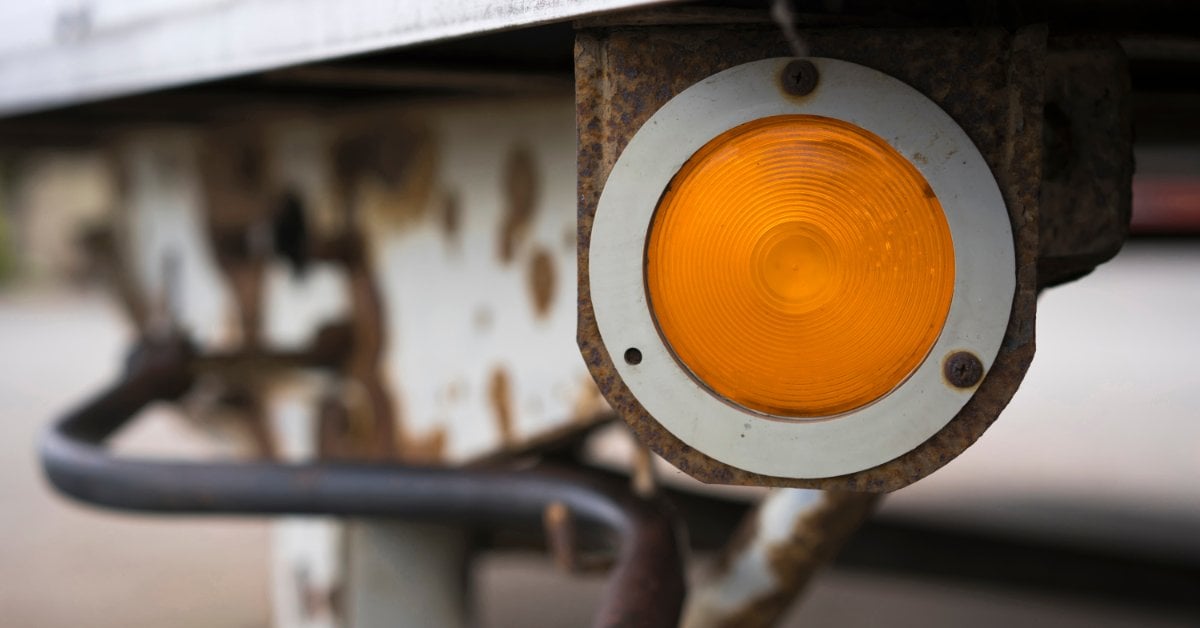
Truck lighting problems often start in small places. A marker light flickers, or a driver notices one corner of the truck has gone dark again. When technicians examine how right-angle plugs reduce truck wiring failures, they often trace the issue back to what happens behind the lamp. A cleaner plug angle reduces wire strain and helps the connection withstand repeated service.
Marker and clearance lamps often sit in tight body panels with very little room behind them. When a plug or wire extends straight out, the harness may bend sharply as soon as someone re-installs the lamp.
Why Marker and Clearance Light Wiring Fails
Marker and clearance lights operate in harsh conditions. They sit along body edges and rear panels where road spray and vibration constantly affect them. The lamp itself may continue working, but tight routing or weak support can damage the wiring behind it. Once that happens, the light may flicker when the truck hits bumps or fail after moisture reaches the connector.
These failures often frustrate technicians because they do not always appear in the shop. A lamp may test fine while parked, then cut out on the road after vibration shifts the wire slightly. A right-angle plug directs the wiring away from the lamp in a controlled manner, rather than forcing the lead to fold sharply behind the housing.
The Problem Behind the Lamp
Many manufacturers mount small marker lamps in shallow openings. That design leaves limited space for wiring, especially on step vans and box trucks. When installers squeeze the connection during installation, they create stress from the start. A better plug angle allows the wire to follow a more natural path.
How Right-Angle Design Reduces Wire Strain
A straight plug sends the wire directly out from the back of the light. That arrangement works when the lamp cavity is deep enough, but many truck bodies are not. When the wire must turn immediately, the lead absorbs the bend. Repeated bending can fatigue the conductor inside the insulation.
A right-angle plug incorporates that turn into the connector itself. Instead of forcing the wire to handle a sharp directional change, the plug exits at an angle that keeps it closer to the lamp body. This design reduces leverage on the terminal area and prevents the wire from acting like a handle.

The PL-10 Right-Angle Plug
The PL-10 right-angle design gives technicians a cleaner connection point for compatible marker and clearance lamps. Because the plug exits at a right angle, it fits more easily in shallow mounting areas where a straight plug would crowd the space. This advantage becomes especially valuable when the light is near an interior panel or a sealed cavity. Less crowding behind the lamp means less stress on the wiring after installation.
This design also keeps repairs compact. The plug must remain seated, and the lead must stay protected from abrasion. A right-angle PL-10 connection supports both goals by maintaining a lower-profile wire path that technicians can manage more easily.
Compact Connections on Work Vehicles
Work vehicles face demanding conditions. They encounter delivery stops and rough roads every day. When a lamp connection extends too far behind the body, it becomes more vulnerable to snagging or strain during service. A compact right-angle connection reduces that risk.
Right-Angle Plugs Help Fight Moisture Problems
Moisture often enters lighting repairs through stressed seals and poorly routed wiring. When a straight plug forces the wire downward or to the side, it can create small gaps near the lamp connection. Once water enters, corrosion increases resistance and weakens the circuit.
The resulting symptoms may resemble a failed lamp even though the connection causes the problem. A right-angle plug helps reduce that risk by minimizing pull at the lamp’s rear. However, technicians must still properly inspect and protect the lamp and mounting area.
Corrosion Starts Small
Even minor corrosion can create major electrical problems. Corrosion increases resistance and can cause a lamp to behave differently depending on vibration or moisture levels. When a marker light fails repeatedly, inspect the connection before replacing the lamp. The plug or terminal may reveal the actual issue.
Where This Plug Makes the Most Sense
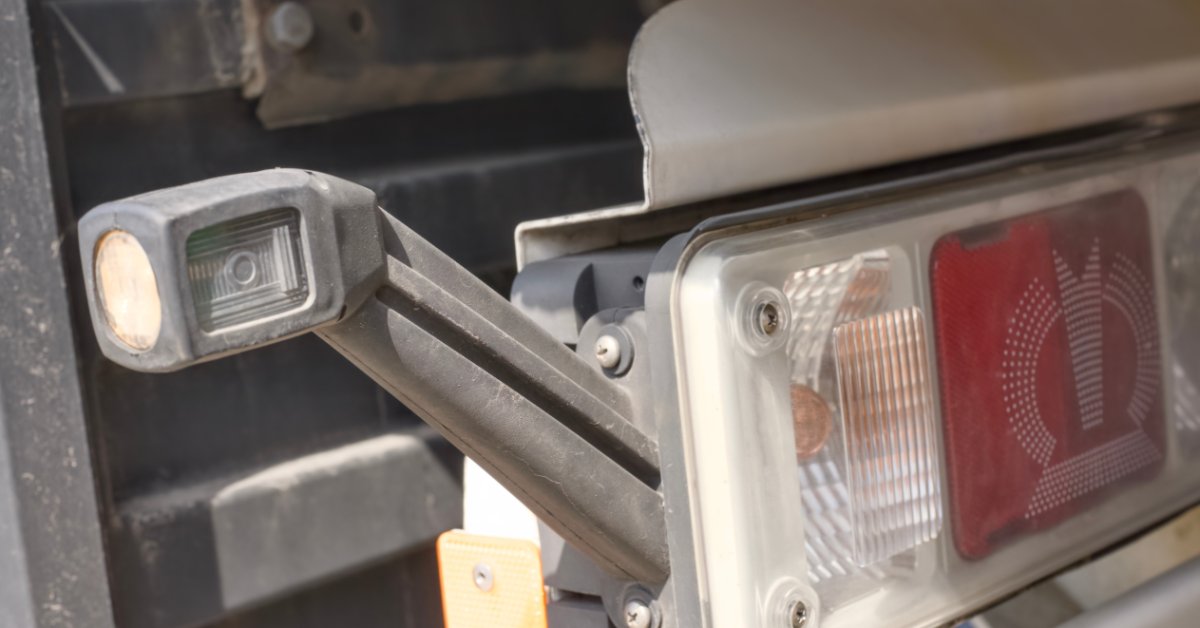
A right-angle marker and a clearance plug work best when space is limited behind the lamp opening. It also suits applications where a straight lead would bend sharply as soon as installers place the lamp back into position. Stepvans, medium-duty trucks, box trucks, and delivery bodies frequently present these challenges. The plug allows the lead to run flatter against the body rather than extending straight outward.
This plug also works well during LED marker light replacements. LEDs often provide long service life, but the connection must still withstand the truck’s operating environment. If the existing plug appears cracked or loose, replacing only the lamp may not solve the problem. A right-angle plug addresses the connection itself and supports a more complete repair.
Installation Details That Prevent Repeat Failures
Even the best plug cannot compensate for poor installation. Before installing a new plug, inspect the lamp opening for sharp edges or corrosion. Clean the mounting area and verify that the lamp seats properly without pinching the lead. Then route the wire so it exits the plug naturally without pulling against the terminal end.
After completing the connection, test the lamp before finishing the repair. If the light flickers, correct the issue before returning the truck to service.
Use this checklist when replacing a marker or clearance plug on a work truck:
- Confirm that the lamp accepts a PL-10 right-angle plug before ordering the replacement.
- Inspect the lamp opening for sharp metal or debris that could damage the lead.
- Route the six-inch leads without creating a tight bend behind the lamp.
- Verify that the bullet or ring terminal connection fits securely.
- Protect the connection from moisture whenever the body design allows.
- Test the lamp while gently moving the lead near the plug.
- Replace cracked, loose, or corroded lamp components during the same repair.
Keep Your Marker Lights Working
Truck wiring failures often begin where tight spaces and constant vibration meet. Marker and clearance lights operate in exactly that environment, which makes plug angle an important consideration. When technicians use right-angle plugs to reduce truck wiring failures, it is important to focus on the stress they create. That approach protects the connection from the movement that causes recurring failures.
A right-angle plug will not solve every lighting issue. However, a compact plug design reduces sharp bends and awkward routing that often shorten the lighting component’s life. Combine the right plug with proper routing and careful testing, and marker lights stand a much better chance of staying reliable on every route.
Need to repair your work truck? Mill Supply offers reliable and durable truck parts and accessories at competitive prices, including wiring components that help keep marker and clearance lights working properly. Stock up on the components you need now so your work truck stays prepared for the next route.
Leave a Reply