
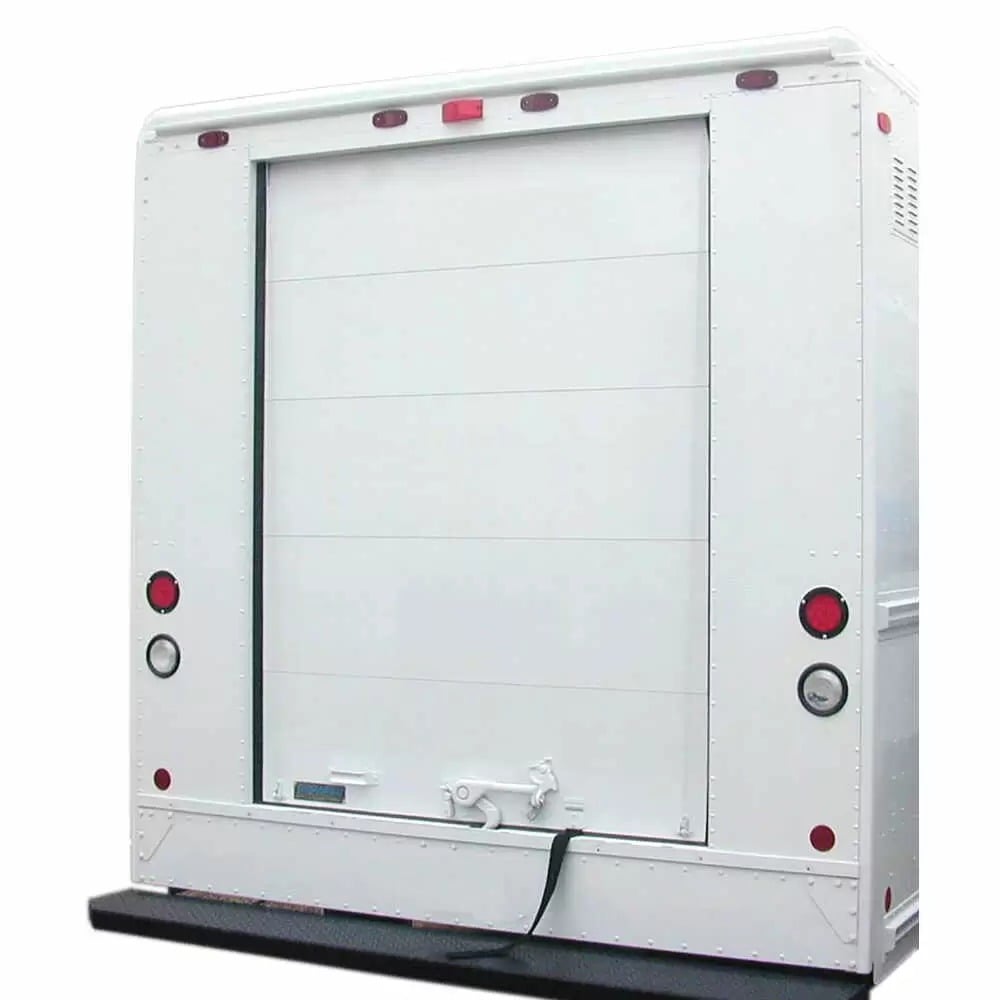
A stepvan roll-up door helps protect cargo during the route and provides dependable access at every stop. When the door becomes damaged, it can slow down the entire workday. When comparing wood, aluminum, and Mill Evolution doors for stepvans, the best choice depends on how the vehicle is used. Each material brings a different balance of durability and maintenance needs.
A door that holds up for occasional use might not survive the daily grind of high-frequency deliveries. Before you pick a replacement, take a closer look at what’s under the surface, not just the panels you see.
How Wood Roll-Up Doors Perform
Wood roll-up doors remain common on dry-freight trucks and stepvans. Their panel construction provides a familiar design that many repair shops understand well. Replacement wood doors are widely available for older Todco-style and Whiting-style systems, making them a practical option when existing hardware is still in good condition.
Wood panels provide solid coverage across the rear opening. In some cases, they can be trimmed to fit specific applications when specifications allow. This flexibility can be useful for older vehicle bodies that do not match modern standard dimensions.
But wood doesn’t like moisture. Over time, exposure to rain or humidity can cause panels to swell or make the door harder to open and close.
Maintenance Matters With Wood
Wood doors need regular checkups. If the finish gets damaged, moisture can sneak in. Pay special attention to the bottom seal. If it’s worn, water can find its way into the most vulnerable spots. If your door suddenly feels heavier, don’t ignore it.
That could mean the panels are taking on water or the counterbalance system needs a tweak. Still, if your truck already has a wood setup and you’re ready to keep up with maintenance, wood can be a practical choice.
Why Aluminum Appeals to Busy Fleets
Aluminum roll-up doors are lighter than wood, which makes them easier to operate, especially if your counterbalance system is in good shape. Drivers usually notice smoother, less tiring operation during those endless stops.
A lighter door also means less strain on tracks and rollers. As long as everything stays aligned and moving smoothly, the whole system responds better. Aluminum doesn’t have the moisture headaches that come with wood. It won’t swell or soak up water, so it’s a solid pick for vehicles that see all kinds of weather.
Lightweight Does Not Mean Indestructible
Aluminum isn’t invincible, though. A hard hit can bend a panel or throw the track out of alignment. If the door starts binding or running rough, check the whole system before deciding on repairs. For many fleets, aluminum strikes a good balance between toughness and easy operation.
What Makes the Mill Evolution Door Different
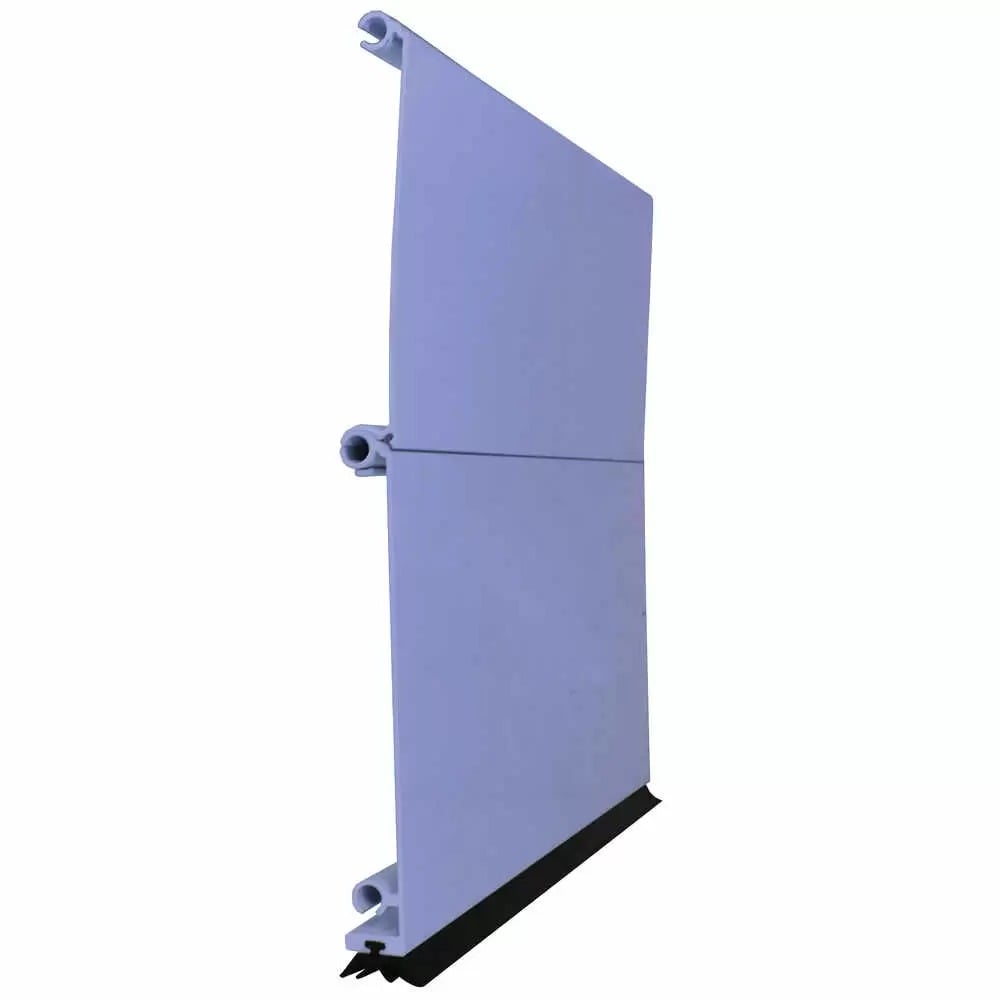
Mill Evolution-style doors use a composite build: galvanized steel on the outside, with a polyethylene core sandwiched in the middle. This setup gives you a stiff, sturdy door without needing solid wood. The core helps soak up impacts, so you’re less likely to see cracks or major failures during normal use.
Evolution doors are also low maintenance. They don’t absorb moisture or swell up like wood, so you get consistent weight and performance year after year.
Comparing Weight and Daily Operation
Door weight makes a big difference in how your roll-up system works. If the door is too heavy, it gets tough to lift, especially if the counterbalance loses tension. It can also slam shut if things aren’t adjusted right. Wood doors can get heavier over time as they soak up moisture. Aluminum starts out lighter, while Evolution doors are built to balance strength and weight thanks to their layered design.
You shouldn’t have to wrestle with the door at every stop. If it takes extra muscle, something needs fixing. The problem might be the door material, but it could just as easily be worn hardware or a counterbalance that’s out of whack. Keep in mind that swapping materials won’t solve deeper mechanical issues.
How Each Door Handles Moisture
Moisture hits each material in its own way. For example, wood needs a good finish to keep water out. If moisture gets in, you’re looking at swelling or even structural changes.
Aluminum doesn’t soak up water, which is a big plus in wet or humid climates. Just remember, seals and hardware still need regular checks to keep leaks and wear at bay. Evolution doors use galvanized steel and a polyethylene core, so they stay dry inside and hold their shape.
No matter what door you choose, you can’t skip sealing. If the bottom or perimeter seal is damaged, water will find its way into the cargo area, no matter the material!
How Impact Damage Changes the Choice
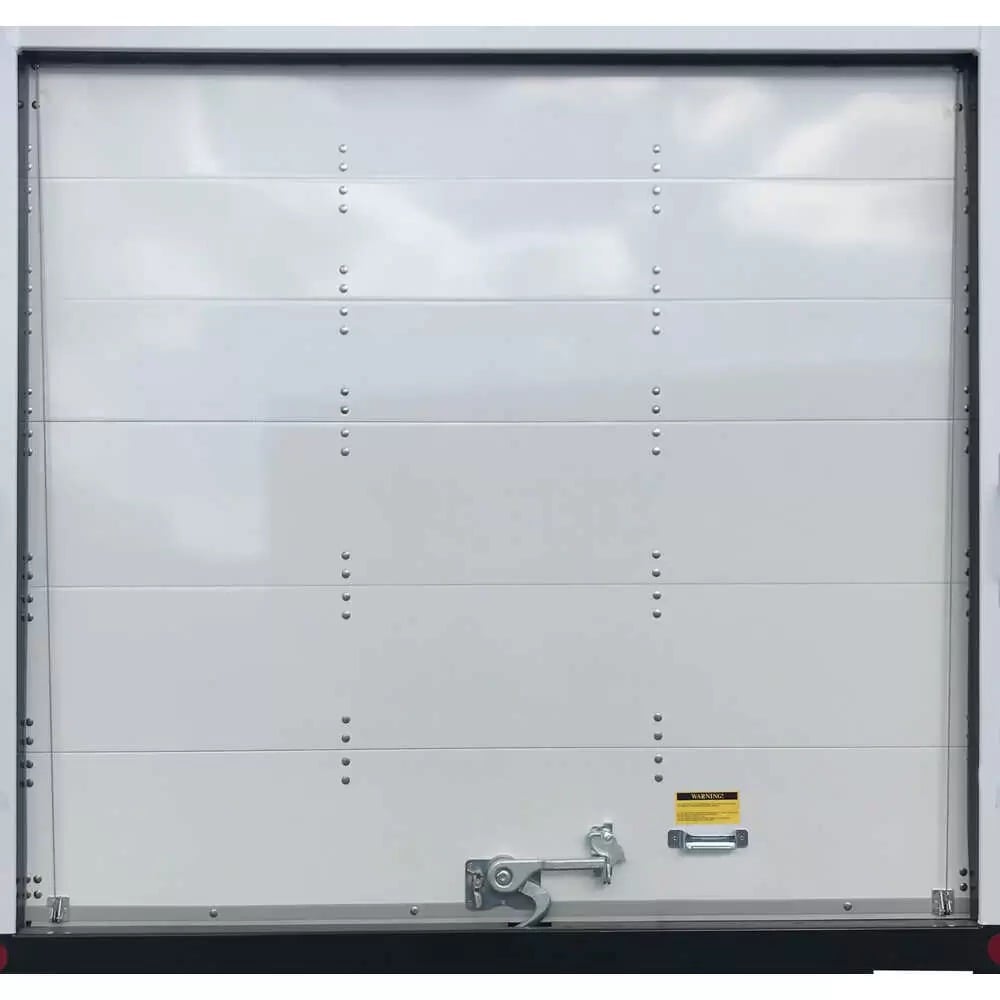
Stepvans spend a lot of time in tight spaces. Wood can crack if it takes a hit, and aluminum might bend or dent. Evolution doors are built to absorb small impacts that wood and aluminum doors just can’t.
That matters if your route is full of tight turns and minor bumps. A door that shrugs off small impacts can mean fewer repairs and better alignment in the long run. Of course, no roll-up door can survive a major hit unscathed. After any big collision, always give the whole door system a thorough inspection.
Fitment Questions To Answer Before Ordering
Picking the right material is just one piece of the puzzle. Getting accurate measurements up front helps you avoid headaches like installation problems or mismatched parts.
Before ordering, confirm the following:
- Measure the clear door opening.
- Verify roller diameter.
- Identify track style.
- Inspect the counterbalance system.
- Check mounting hardware condition.
- Confirm lock configuration.
- Determine if trimming is allowed.
Keep in mind, two similar stepvans might have completely different door systems depending on who built the body. Always double-check your current setup before ordering a replacement.
Maintenance Needs for Each Door Type
Wood doors need regular checks for surface wear and moisture damage, especially near the bottom where they’re closest to the ground. With aluminum, look for dents or bends that could make the door stick. Even small dings can cause trouble in the track!
Evolution doors don’t need much material maintenance, but don’t forget to check rollers and seals regularly. No matter what door you have, keeping the track clean is key. Dirt and debris can slow things down and wear out your hardware faster.
Choose the Door That Fits the Work
When comparing wood, aluminum, and Mill Evolution doors for stepvans, the differences become clearer when viewed as part of a complete system. Wood offers familiarity, aluminum reduces weight, and composite construction focuses on durability and reduced maintenance.
The best replacement is the one that fits your hardware and stands up to your daily route. Take the time to evaluate your needs so your new door works smoothly from the first stop to the last.
Is your roll-up door ready for retirement? Mill Supply has you covered with stepvan parts for wood, aluminum, and Mill Evolution-style doors. Pick the right door and hardware for your vehicle, and get back to smooth, reliable service. Shop Mill Supply today and give your stepvan a door that’s built for the job.
Leave a Reply