
When you own a truck, you become familiar with a whole new language of specifications and acronyms. From torque to towing capacity, each metric plays a role in your vehicle’s performance and safety. One of the most fundamental of these is the gross vehicle weight rating, or GVWR.
Understanding what GVWR is and why it is important for truck owners is not just about following rules; it’s about protecting your vehicle, your cargo, and yourself. This guide will explain the concept of GVWR, how to find it, what it includes, and the consequences of ignoring it.
The GVWR is a weight limit set by the vehicle manufacturer. It represents the maximum total weight your truck can safely handle. Exceeding this limit compromises the vehicle’s structural integrity and its ability to operate as designed, which creates risks on the road.
A Closer Look at GVWR
So, what exactly contributes to this total weight? The gross vehicle weight rating encompasses everything that adds mass to your truck. It starts with the curb weight and adds everything else on top.
Understanding Curb Weight
Before you can calculate your truck’s current load, you must know its starting weight. This is known as the curb weight. It is the weight of the vehicle with all standard equipment and a full tank of fuel, but without any passengers, cargo, or optional accessories. Think of it as the truck’s baseline weight as it sits empty and ready to drive.
Factoring in Passengers and Cargo
The next components are the people and items inside the truck. The weight of the driver and any passengers adds to the total. Every piece of cargo you load into the truck bed or cabin, from toolboxes and construction materials to camping gear and luggage, also contributes to the overall weight. Even small items accumulate, so a precise calculation accounts for everything you put in your vehicle.
The Role of Tongue Weight
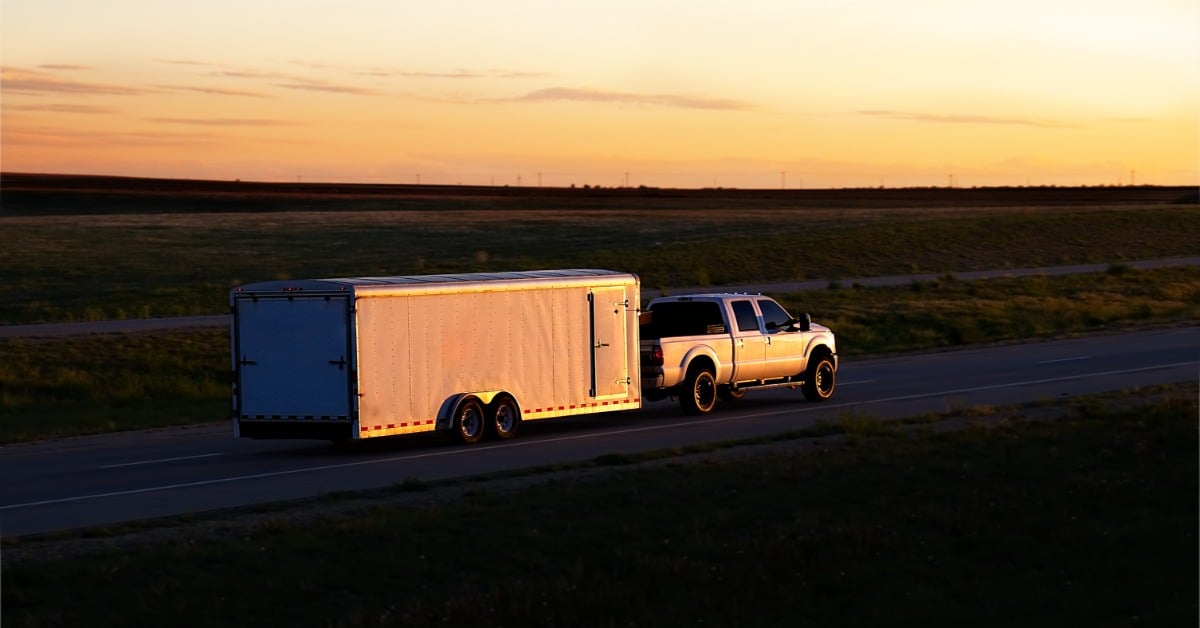
For those who tow trailers, there’s another element to consider: tongue weight. This is the downward force that the trailer’s tongue exerts on the hitch of your truck. It is typically 10–15 percent of the total loaded trailer weight. It is different from the gross combined weight rating (GCWR), which is the maximum weight of your truck and trailer combined.

Where To Find Your Truck’s GVWR
Locating your truck’s GVWR is straightforward. Manufacturers are required to display this information on the vehicle. The most common place to find it is on a placard or sticker located on the driver’s side door jamb.
This label, often called the safety compliance certification label, contains a wealth of information, including the GVWR, gross axle weight ratings (GAWR), tire size, and recommended inflation pressures.
If the door jamb sticker is missing or unreadable, the GVWR can also be found in the owner’s manual.
Differentiating GVWR From Other Weight Ratings
The world of vehicle weight ratings is filled with acronyms, and it’s easy to get them confused. Understanding the distinctions between GVWR, GAWR, GCWR, and towing capacity will give you a complete picture of your truck’s capabilities.
Gross Axle Weight Rating (GAWR)
The gross axle weight rating specifies the maximum weight that can be placed on each individual axle, both front and rear. The sum of the front and rear GAWRs often exceeds the GVWR.
This is because the ratings account for scenarios where weight is not distributed evenly. It is also possible to be within your GVWR but exceed a GAWR if you load too much weight over one axle.
Gross Combined Weight Rating (GCWR)
The gross combined weight rating is the maximum allowable weight of your loaded truck and a loaded, attached trailer combined. The manufacturer determines this rating and considers the truck’s engine power, transmission, brakes, and chassis strength.
You could be within your truck’s GVWR and the trailer’s separate GVWR, but still exceed the GCWR if the total combined weight is too high.
Towing Capacity
Towing capacity refers to the maximum weight your truck can safely pull. This figure is often advertised prominently by manufacturers, but it is calculated based on specific conditions, usually with only a driver in the truck.
The actual, safe towing capacity for any given situation depends on the truck’s total weight, including passengers and cargo. As you add weight to the truck, your effective towing capacity decreases because you are getting closer to the GCWR limit.

The Consequences of Exceeding GVWR
Ignoring your truck’s GVWR can lead to a variety of negative outcomes, which range from mechanical damage to legal penalties. The limits are there for a reason, and exceeding them puts a strain on your vehicle’s components that they were not designed to handle.
Mechanical Strain and Damage
Overloading your truck puts immense stress on its entire structure. The suspension system can be compromised, which leads to a rough ride and reduced stability. The brakes, designed to stop a vehicle of a specific amount of weight, will be less effective and may overheat, a condition known as brake fade. The engine and transmission also have to work harder, which leads to overheating and premature wear.
Safety Risks on the Road
A truck that exceeds its GVWR is a hazard on the road. The vehicle’s handling and steering become unpredictable, which makes it difficult to control, especially during turns or sudden maneuvers. The increased stopping distance due to overloaded brakes heightens the risk of collisions.
A tire blowout is more likely because the tires are forced to carry more weight than they are rated for. These safety risks endanger not only the truck’s driver and passengers but also everyone else on the road.
Legal and Financial Penalties
Operating a vehicle beyond its GVWR is illegal in many jurisdictions. If you are pulled over and your truck is found to be overweight, you could face hefty fines. For commercial truck operators, these violations can also lead to points on their record and an increase in insurance premiums.
In the event of an accident, if your truck is found to be overloaded, your insurance claim could be denied.
A Final Weigh-In
For any truck owner, a clear grasp of what GVWR is and why it is important is nonnegotiable. This rating is the foundation of your vehicle’s performance, safety, and longevity.
By respecting this limit, you protect your investment, ensure your safety, and comply with the law. Before you load up for your next job or adventure, take a moment to confirm your truck’s GVWR and calculate your total weight.
When it’s time to replace truck parts and accessories, trust Mill Supply. We offer a high-quality collection designed for durability and performance. Explore our extensive inventory today to find the reliable components your vehicle needs to operate safely and efficiently, backed by decades of industry experience.
Leave a Reply