
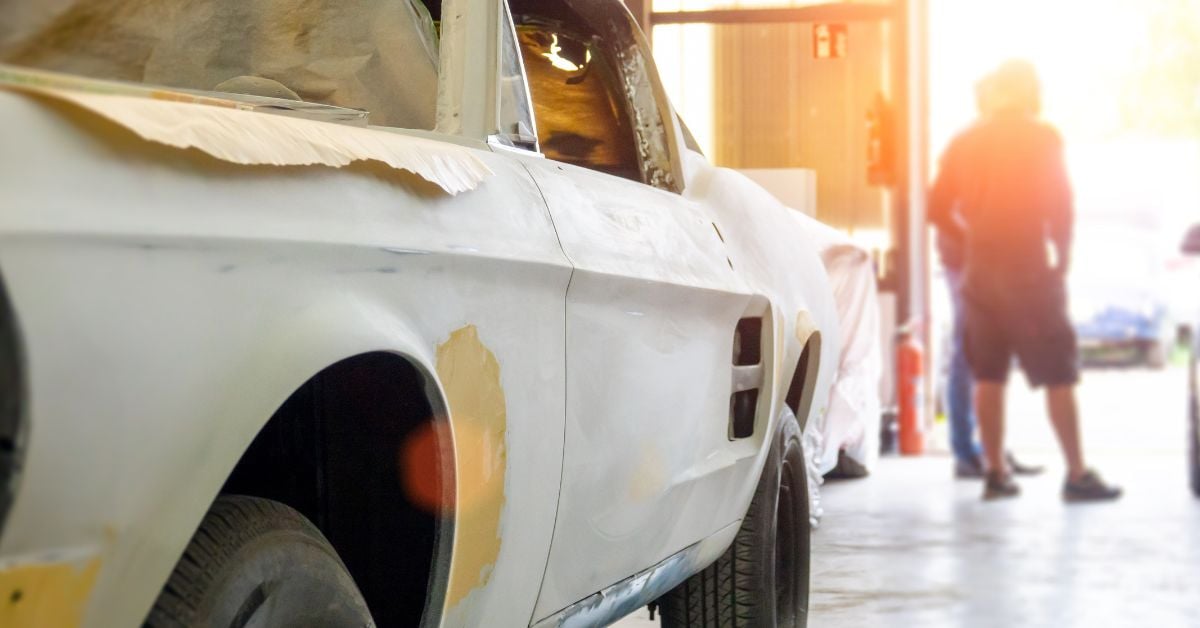
Car restoration is a highly rewarding endeavor for those with a great appreciation for historic craftsmanship and design. However, returning a vehicle to its former glory can come with significant costs, particularly when dealing with rare or vintage models.
Some vehicles are notoriously expensive to restore due to their rarity, complex construction, and the availability of replacement parts. Understanding which cars demand such high restoration expenses can offer valuable insight into the challenges and rewards these vehicles bring.
Below, we’ll take a detailed look at some of the most expensive cars to restore, highlighting why they demand such high costs and the factors that drive restoration prices.
Volkswagen Samba Bus
The Volkswagen Samba Bus, with its iconic design and rich history, stands out as one of the most desirable classic vehicles. However, restoring a Samba Bus can be a highly expensive endeavor. The 23-window version of the bus is particularly challenging to restore, as skylight panels and trims are incredibly intricate and difficult to source.
Finding authentic replacement parts for a Volkswagen Samba Bus can also be a challenge. Often, owners must turn to specialized suppliers, and the scarcity of original parts adds to their expense.
Aston Martin Lagonda
The Aston Martin Lagonda, a symbol of 1970s and 1980s luxury, is one of the most complicated vehicles to restore. Its strikingly futuristic design and advanced electronic features were ahead of their time, and made the car prone to mechanical and electrical breakdowns.
The scarcity of replacement parts exacerbates the challenge, especially for its bespoke components. Additionally, due to its limited production run, sourcing expertise for such a rare car can be an uphill battle.
Chevrolet Camaro Z28 LT1
The Chevrolet Camaro Z28 LT1 is a dream car for muscle car enthusiasts, but restoring it is no small feat. The Z28 LT1 engines, known for their high-performance capabilities, require meticulous precision work to ensure they operate at their full potential.
Restoration often involves a complete overhaul of the vehicle, from its mechanical components to its interior details. The result is a beautifully restored Camaro that delivers nostalgia and raw power for those willing to put in the time and effort—a true testament to classic North American automotive muscle.
Plymouth Superbird
The Plymouth Superbird, famous for its aerodynamic design and racing heritage, is another expensive car to restore. One of the biggest challenges with the Superbird lies in its unique features, such as the elongated nose and tall rear wing, which were designed to dominate the race track. Restoring these specialized components can be costly and labor-intensive.
Because the Superbird was produced in limited numbers, sourcing authentic replacement parts is exceptionally difficult. Restorers often resort to custom fabrication for the nose cone and other unique components, which can significantly add to labor costs.
Pontiac Trans Am SD-455
The Pontiac Trans Am SD-455 is iconic among muscle cars, and its rarity significantly adds to restoration costs. Many seek original SD engines despite sourcing difficulties, making even basic restoration expensive.
The low production numbers of the SD-455 only add to the difficulty, as fewer vehicles mean fewer spare parts in circulation. The labor involved, combined with the cost of sourcing rare trim pieces and performance components, makes the Trans Am SD-455 a challenge and an investment.
Mercedes-Benz 600
The Mercedes-Benz 600 was a luxury car favored by dignitaries and celebrities. While its opulence makes it an appealing restoration project, it also makes it one of the most expensive. The car’s complex hydraulic systems, which control everything from doors to windows and seats, require extensive expertise to repair and rebuild.
Additionally, the limited number of Mercedes-Benz 600s produced means sourcing parts is a significant hurdle. Considering the labor needed to restore its luxurious interior, in addition to its heavy engineering, the costs quickly escalate for anyone looking to bring this classic luxury car back to life.
Chevrolet Corvette Stingray (C2)
The Chevrolet Corvette Stingray (C2) represents one of the most beloved North American sports cars. Often, restoring a Corvette Stingray involves addressing extensive bodywork, particularly due to its lightweight fiberglass construction, which is prone to cracks and damage.
Its most sought-after model, produced in 1963, features rear split windows, which add to its iconic design and make restoration more challenging. These rare details require specialized parts that are increasingly difficult to source, driving up costs. The combination of rare parts, labor-intensive bodywork, and the car’s historical significance makes this Corvette one of the most expensive classic cars to restore.
Factors That Determine Car Restoration Costs
Restoring a classic car involves a variety of factors that can significantly affect the overall cost. Understanding these key elements is essential for anyone planning a restoration project.
Make and Model
Certain car brands and models inherently cost more to restore due to their intricate engineering, luxury features, or unique designs. Often, high-end brands, such as Aston Martin or Mercedes-Benz, feature custom-made parts that require expert craftsmanship, adding to the overall expense.
Vehicle Rarity
The more uncommon or rare a vehicle is, the more time-consuming and costly it will be to find genuine parts. Cars with limited production runs can see higher restoration costs due to the specific requirements necessary to maintain their authenticity. Additionally, rare vehicles often require more specialized attention, further increasing labor costs.
Current Condition
A car’s condition at the start of a restoration plays a significant role in determining costs. Vehicles with rust damage, structural issues, or incomplete mechanical systems present additional challenges. The restoration cost increases with the damage’s extent or the number of missing components.
Replacement Part Availability
Finding replacement parts can be a challenge for rare or vintage cars. Cars with discontinued or hard-to-find parts require custom manufacturing or sourcing from limited suppliers. Both scenarios add considerable expense to the process.
Labor Costs
Labor is one of the most significant contributors to restoration expenses. Often the restoration’s complexity, combined with the need to hire experienced professionals, leads to high labor costs. From bodywork to engine rebuilding, the number of hours involved can quickly add up, making skilled labor an essential aspect of the budget.
Plan Your Restoration With Mill Supply
Restoring a classic car is a labor of love, but it’s also an investment that requires careful planning. Understanding which cars are the most expensive to restore can help enthusiasts approach these projects with realistic expectations.
If you’re embarking on your own restoration project, remember that the right parts make all the difference. Mill Supply offers the highest quality products to repair and restore vehicles to their original condition, from hard-to-find vintage components to modern truck parts. Start browsing our online store and discover a wide range of restoration parts at affordable prices.
Leave a Reply