
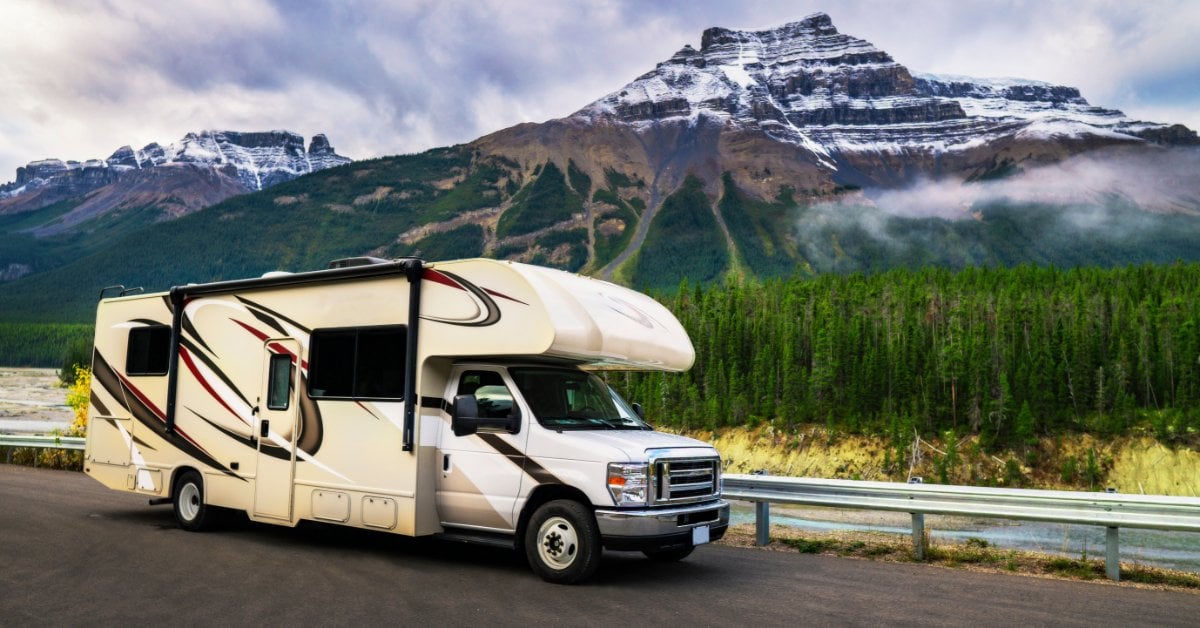
A long RV trip sounds relaxing until a small overlooked problem decides to tag along. A weak battery, an underinflated tire, or a stubborn appliance can quickly turn a smooth departure into an unexpected repair stop.
By following these tips to get your RV ready for a long road trip, you give yourself a better chance to enjoy the drive rather than spend time troubleshooting at the first fuel stop. Start by checking the systems that matter most before you roll out.
Inspect Tires Before the First Mile
Tires carry the full weight of your RV, so they deserve careful attention. Begin by checking tire pressure when the tires are cold and compare your readings to the manufacturer’s recommended levels. The number printed on the tire sidewall reflects maximum pressure rather than ideal operating pressure, so it should not be your only reference.
After checking the pressure, take time to examine each tire closely. Look for worn tread or debris embedded in the rubber. RV tires often age out before they wear down, especially when the vehicle sits for extended periods. If anything appears questionable, address it before starting your trip.
Do Not Forget the Spare
A spare tire only proves useful if it is ready when needed. Check its pressure and overall condition, and make sure it is easy to access. Also, confirm that your jack and lug wrench are compatible with your RV’s setup. Discovering a mismatch during a roadside emergency can quickly complicate an already stressful situation.
Test the Battery and Charging System
Battery power supports far more than just starting your RV. It plays a critical role in lighting and safety systems. Before your trip, inspect both the chassis battery and the house batteries. Look for corrosion around the terminals or visible signs of wear. Clean terminals help maintain consistent electrical flow and reduce the risk of power interruptions.
Once the batteries have been inspected, test the charging system. The alternator should maintain the chassis battery while driving, and the converter or inverter should support the house batteries when connected to shore power.

Check Fluids, Filters, and Belts
Fluids play a vital role in keeping your RV running smoothly, so each one deserves careful attention. Check engine oil, coolant, brake fluid, transmission fluid, and windshield washer fluid according to manufacturer guidelines. Low or contaminated fluids can lead to overheating or limited visibility.
After reviewing fluid levels, inspect belts and hoses for signs of wear. A squealing belt or a swollen hose often signals a problem that should be addressed before hitting the road. Addressing these issues early helps prevent breakdowns during long drives.
Inspect Brakes and Suspension Components
The weight of an RV places additional demand on the braking system, making it essential to confirm everything is working properly. During a test drive, listen for unusual sounds and pay attention to how the brakes respond. If the RV pulls to one side or the pedal feels different than usual, schedule an inspection before departure.
Suspension components also influence both comfort and control. Worn shocks or bushings can make the RV feel unstable, especially during long drives or in windy conditions.
Examine Visibility Features
Clear visibility is essential for safe travel, particularly when operating a large vehicle. Test all exterior lights, including headlights and turn signals, to ensure they function properly. Even a small marker light improves visibility at night or in poor weather.
Keep mirrors clean and secure. Replacing worn windshield wipers and refilling washer fluid can also improve visibility. A clean windshield reduces glare and helps maintain a clear view during early morning or nighttime driving.
Cameras Still Need a Backup Plan
While cameras provide added convenience, they should not replace traditional visibility methods. Clean the lenses and confirm that the system operates correctly. At the same time, adjust your mirrors so they provide reliable coverage if a camera becomes obstructed or stops working.
Check the Seals
Water intrusion can lead to costly damage, so inspecting the roof and seals is an important step. Look for cracks or gaps and repair any issues before your trip. Addressing these concerns early helps prevent leaks during travel.
Exterior panels and compartments should also be checked for proper closure and secure seals. If your RV includes slide-outs, inspect their seals and remove any debris that could interfere with your trip.

Prepare Plumbing Systems
Before relying on your plumbing system, test it thoroughly. Fill the fresh water tank and run the pump while checking for proper operation. If the pump cycles unexpectedly, it may indicate a leak or pressure issue that needs attention. If your RV was winterized, flush and sanitize the system before use. Also, ensure the water heater is filled before turning it on.
Keep Plumbing Supplies Easy To Reach
Organizing your water and sewer supplies in an accessible location can make setup and breakdown much more efficient. When everything is easy to reach, each stop becomes less stressful and more manageable.
Test Appliances and Comfort Systems
Running your refrigerator ahead of time allows it to reach the proper temperature before you load it with food. Testing appliances such as the stove and air conditioner helps identify potential issues before they disrupt your trip. Pay attention to unusual sounds or inconsistent performance, and address minor concerns early to keep your RV comfortable throughout the journey.
Safety Essentials To Pack
A well-prepared toolkit allows you to handle small repairs safely and efficiently down the road. Pack the essentials before a long RV trip so you can respond quickly when needed.
Make sure to pack these essentials before a long RV trip:
- Tire pressure gauge and portable air compressor
- Basic hand tools suited for your RV
- Spare fuses, bulbs, and connectors
- Jumper cables or a portable jump starter
- Flashlight, batteries, and gloves
- Reflective triangles or warning lights
- Sealant, tape, and zip ties
- First aid kit and fire extinguisher
- Sewer hose fittings and water adapters
These items are intended for temporary fixes and basic maintenance. For more complex issues, seeking professional assistance remains the safest approach.
Make the Trip Easier Before You Leave
A successful RV trip begins with thoughtful preparation. Following these practical tips for getting your RV ready for a long road trip reduces the risk of breakdowns and creates a smoother travel experience. Taking the time to prepare allows you to focus on the journey rather than unexpected repairs.
Mill Supply offers recreational vehicle accessories that support the maintenance and upgrades worth handling before a long trip begins. Having the right supplies on hand makes it easier to fix small issues before they interrupt your route. Stock up before departure so your RV is ready for the miles ahead!
Leave a Reply