

Every recreational vehicle (RV) owner understands that proper care of their vehicle is necessary to keep it performing at its best, no matter the season or destination. While some responsibilities may not be necessary after every trip, it doesn’t undermine their importance. Annual maintenance is essential not just for ensuring the safety and reliability of your vehicle but also for protecting your investment in the long run.
This ultimate annual RV maintenance checklist breaks down the tasks every RV owner should tackle each year, helping you avoid costly repairs and extend the life of your vehicle.
Inspect and Service the Roof
Your RV’s roof is its first line of defense against the elements. Over time, exposure to the sun, rain, and other environmental conditions can compromise its integrity, leading to water damage and costly repairs. Begin your annual RV maintenance by thoroughly examining the roof for cracks, leaks, or signs of wear.
Regularly cleaning your roof will also prevent dirt, debris, and mold from accumulating. Many RVs have rubber or fiberglass roofs that require special cleaning products, so be sure to use the correct materials to avoid causing damage. If you identify any issues, such as a puncture or degraded sealant, immediately address them with patches or sealants designed specifically for RV roofs.
Examine Window Seals
Window seals are another critical area to inspect during your annual RV maintenance. Faulty seals can allow water to enter the RV, leading to mold, damage, or drafts. Carefully examine all window seals for cracks, gaps, or deterioration caused by temperature changes and general aging.
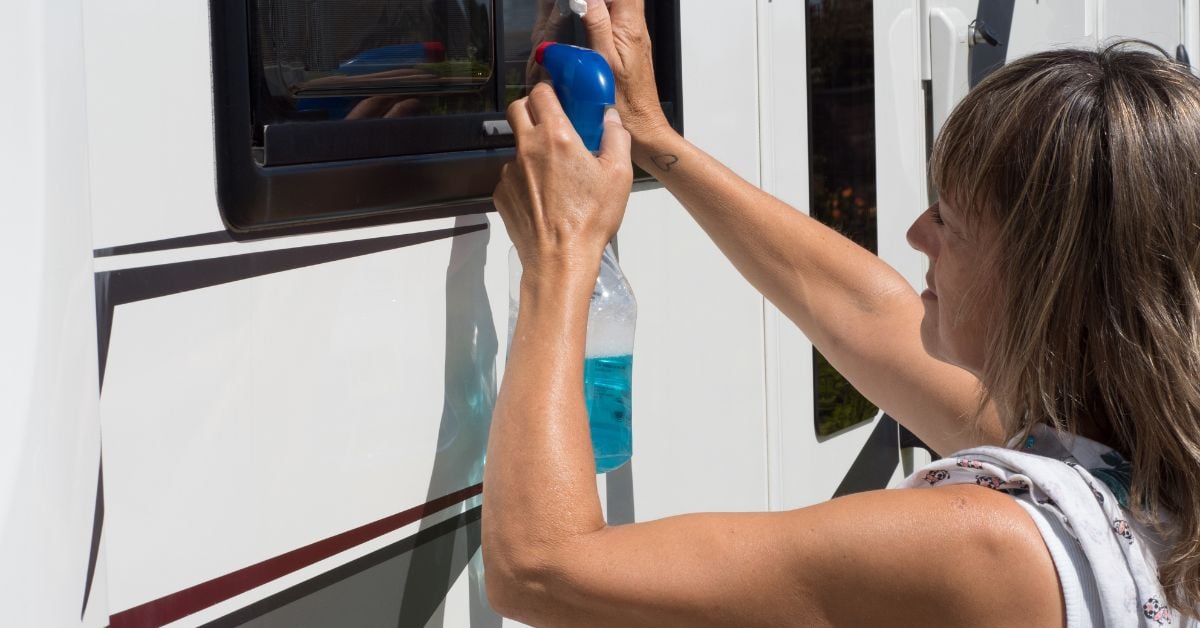
If you find damage, reseal the windows with high-quality caulking or adhesive products intended for RVs. Properly maintaining your window seals prevents water damage and improves temperature regulation and energy efficiency in your RV.
Service Heating and Cooling Systems
The heating and cooling systems in your RV are essential for regulating comfort, especially if you’re traveling through diverse climates. Start by inspecting the air conditioning unit for dirt, debris, and wear. Clean the filters and replace them as necessary to maintain the system’s efficient operation. Extend this level of care to the furnace by checking for blockages or wear in the ventilation system.
Regularly test your heating and cooling systems to confirm they are performing as expected. If either system exhibits issues, consult a professional or refer to the manufacturer’s manual for troubleshooting steps.
Inspect the Propane System
The propane system powers many essential RV features, including the stove, heater, and refrigerator. Begin by carefully checking the propane tank for cracks, rust, or dents that could compromise its safety and functionality. Inspect all connections and hoses for leaks or signs of wear.
Have a qualified technician perform an annual leak test to ensure your propane system remains safe. Regular inspections provide you with peace of mind, allowing you to enjoy the conveniences of propane-powered accessories without worry.
Service Braking System
Your RV’s braking system is vital for your safety and the safety of other drivers on the road. Start by inspecting brake pads and rotors for wear and replacing them when necessary. Uneven or excessive wear on any component requires immediate attention to prevent brake failures.
Additionally, check and replenish brake fluid, as poor fluid levels can diminish the effectiveness of the hydraulic braking system. For those towing trailers, test the trailer brakes to confirm they are working properly.
Repack Wheel Bearings
Wheel bearings endure significant stress during travel and require periodic maintenance to function effectively. Over time, the grease inside the bearings can degrade, leading to increased friction and wear. Repack the wheel bearings annually with fresh grease specific to your RV’s specifications to prevent issues.
This process involves removing the bearings, cleaning them thoroughly, applying the new grease, and reinstalling them. It’s an essential maintenance task that ensures your wheels turn smoothly and reduces the risk of dangerous overheating or breakdowns.
Check Side-Outs
Slide-outs expand your RV’s living area, but they require consistent maintenance to operate smoothly. Start by inspecting the seals and gaskets for signs of wear or tearing. Damaged seals can lead to water leaks, so you should promptly repair them.
Lubricate the mechanical components of your slide-outs to prevent them from sticking or seizing up. Make sure the slide-out moves smoothly during extension and retraction. Consult a professional to avoid causing further damage if issues with alignment or operation arise.
Replace Windshield Wipers
Many vehicle owners, regardless of whether they own an RV, overlook windshield wiper maintenance, but they play a vital role in your safety on the road. Check the blades for cracks, stiffness, or signs of wear. Immediately replace them if they leave streaks or fail to clear the windshield effectively.
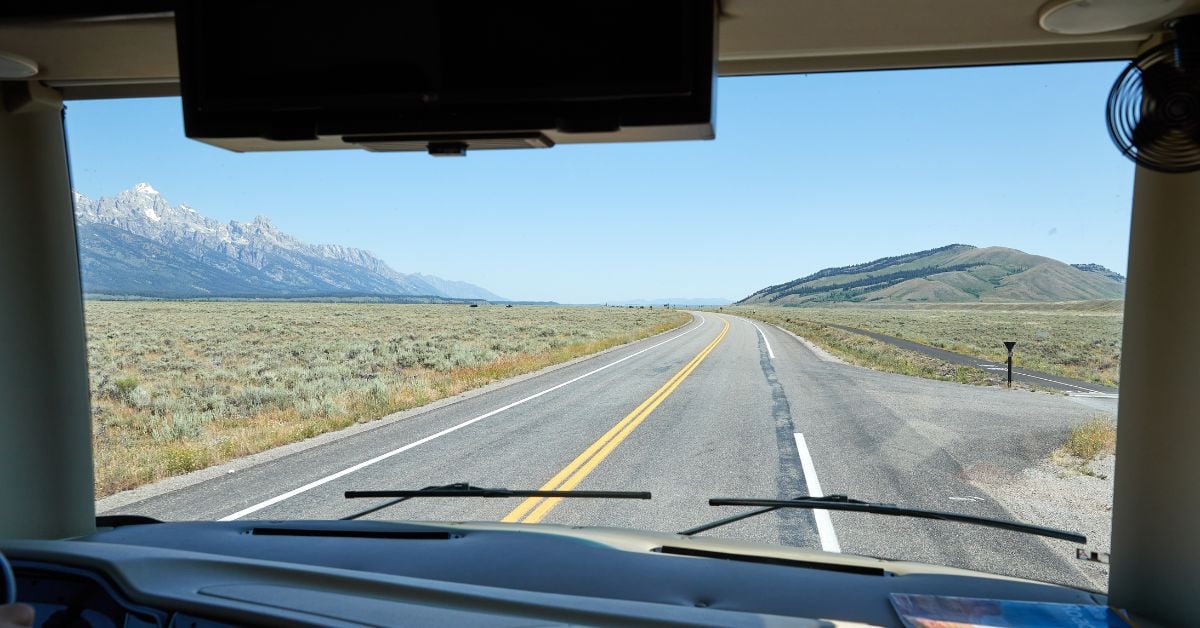
Invest in durable wiper blades specifically designed for large vehicles, such as RVs. Keeping your windshield wipers in top condition ensures clear vision on every trip and contributes to safer driving overall.
Replace Smoke and Carbon Monoxide Detector Batteries
Safety equipment, including smoke and carbon monoxide detectors, protects you and your passengers from potential danger. Replace the batteries in these devices annually or as recommended by the manufacturer. Test each detector to confirm that they are functioning correctly.
If your detectors are older than the manufacturer’s suggested replacement date, invest in new ones to maintain optimal safety during your travels. This straightforward step can save lives and provide peace of mind on the road.
Update Your Maintenance Log
Keeping a detailed maintenance log is vital for tracking your RV’s care and upkeep. Document each task completed, including the date and details of any repairs or replacements. This log can help you stay organized and provide a valuable history should you decide to sell your RV in the future.
By consistently updating your records, you can ensure all components are serviced in a timely manner, extending the lifespan of your RV and its features. Many RV owners find it helpful to include the receipt or warranty information for motorhome RV parts they’ve purchased directly in the log.
Keep Your RV Adventure-Ready Every Year
Routine annual maintenance secures the longevity, comfort, and safety of your RV. By inspecting and servicing critical components, you can avoid expensive repairs, prevent unexpected breakdowns, and enjoy stress-free travel. Follow this ultimate annual RV maintenance checklist to keep your RV in prime condition and guarantee it’s ready for the road whenever adventure calls.
If your RV’s maintenance requires parts replacement, shop for dependable, high-quality components at Mill Supply to keep your vehicle in excellent shape for years to come. Complete your maintenance preparations today and enjoy worry-free travels tomorrow!
Leave a Reply