

The cab style impacts the functionality and appearance of a pick-up truck. Some drivers prioritize maximum cargo bed space for work purposes, while others need room for family members or crew transportation.
This guide explains the four main truck cab styles available from major manufacturers. We’ll explore the features, benefits, and drawbacks of each option to help you determine which configuration best suits your needs.
Regular or Standard Cab
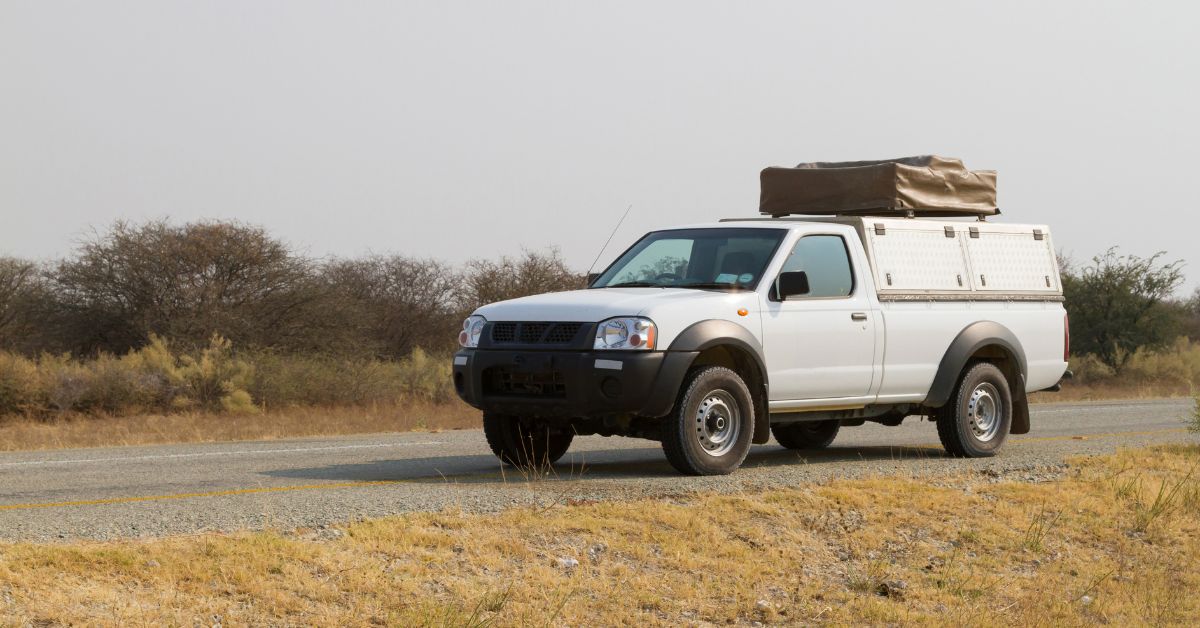
Regular cabs feature two doors and seats for two to three passengers maximum, with no additional seating behind the driver and passenger areas. The interior space commonly includes a fold-down seat or small bench in the center. This design offers the longest truck bed length for any given truck model since there’s no space allocated to back seat passenger areas.
Pros and Cons
Regular cabs excel at maximizing truck bed space and keeping purchase prices low. The longer bed length accommodates larger cargo loads and construction materials more easily than other cab styles. Fuel economy typically runs better due to the lighter weight and reduced wind resistance.
The main drawbacks center around limited passenger capacity and reduced storage space. Additionally, these models commonly lack advanced features found in larger configurations.
Extended Cab
Extended cabs bridge the gap between regular cabs and full four-door configurations. They include small rear seating areas behind the front row. The back seats are accessible by moving the front seats forward or opening the small rear doors in the opposite direction of the front doors.
The rear seating area typically accommodates two additional passengers, though the space works better for storing personal or work items. Extended cabs maintain a balanced appearance that looks proportional and supports drivers who need extra storage or seating.
Pros and Cons
Extended cabs provide the best compromise between passenger space and truck bed length for many drivers. The additional storage areas help organize tools and equipment better than regular cabs allow. The rear seats work well for short trips and provide flexibility when you occasionally need to carry more passengers.
However, rear passenger comfort remains limited, especially for adults on longer journeys. The smaller rear doors can make accessing the back seats challenging, and the rear seating area often lacks adequate legroom for full-size passengers.
Crew Cab
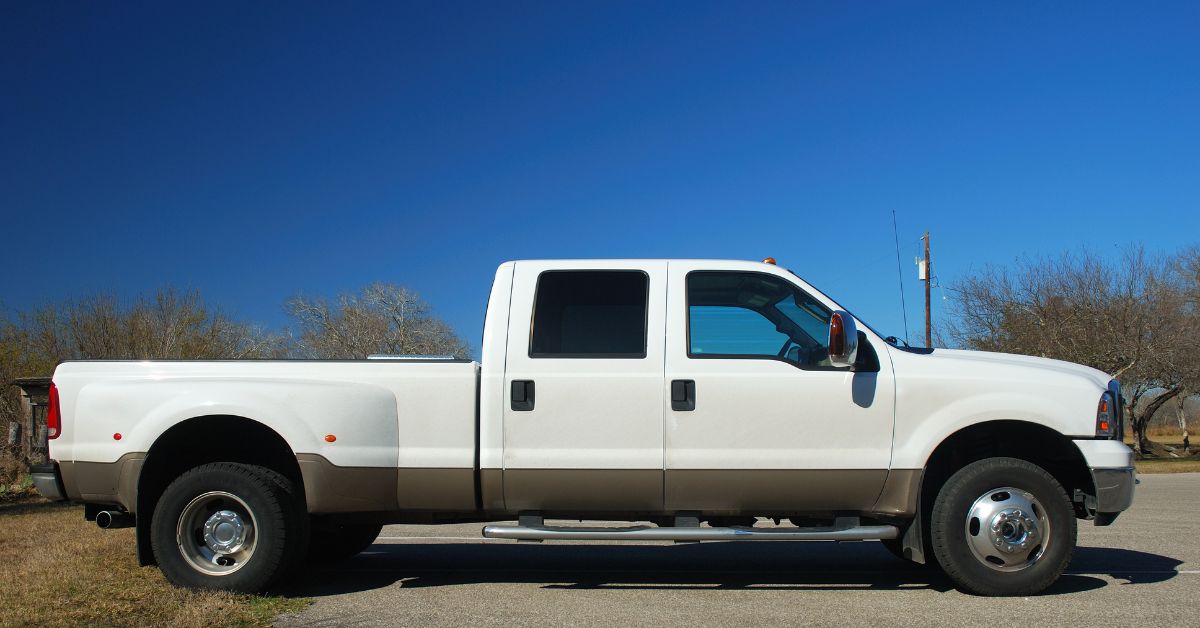
Crew cabs offer four full-door configurations with spacious rear seating areas that match or nearly match the front row’s comfort level. Passengers don’t have to climb through or move front seats to access the seats.
The truck bed length is normally shorter than the bed of extended and regular cabs. This is because the crew cab offers a spacious passenger compartment. Nevertheless, the bed still provides adequate space for most hauling needs.
Pros and Cons
Crew cabs deliver excellent passenger comfort and convenience features. The full-size doors provide easy access to all seating positions, while the spacious interior accommodates families or work crews comfortably. Interior storage space exceeds other cab styles significantly, with room for personal items, tools, and equipment.
The main disadvantage is the reduced truck bed length; it may limit hauling capacity for long items. Fuel economy may suffer slightly due to increased weight and size.
Extended Crew Cab or Mega Cab
Extended crew cabs represent the largest cab configuration available from truck manufacturers, combining the full four-door layout of crew cabs with additional interior length for maximum passenger space. These cabs stretch the rear seating area beyond standard crew cab dimensions, providing extra legroom and comfort for rear passengers on long trips.
The extended design creates the shortest truck bed length among all configurations. Nevertheless, manufacturers commonly offer multiple bed length options to help balance passenger space with hauling needs.
Pros and Cons
Drivers who value passenger comfort and ample interior space will favor extended crew cabs. The generous storage capacity can accommodate professional or recreational gear.
The significantly reduced truck bed length limits hauling capacity compared to other cab styles. Parking and maneuvering can become more challenging due to the increased overall vehicle length.
How To Choose the Right Cab Style for You
Comfort
Comfort requirements vary based on how a driver plans to use the truck. Regular cabs provide adequate comfort for short trips with one or two passengers, but they are restrictive for long journeys. Crew and extended crew cabs offer the most comfort for drivers who regularly ride with multiple passengers.
Storage
Extended cabs add room behind the seats for tools, equipment, or personal belongings, while crew cabs provide ample storage and legroom throughout the cabin. Extended crew cabs enhance storage capacity further while preserving the organizational features of standard crew cabs. Regular cabs prioritize truck bed space for large items but offer minimal interior storage.
Transporting Passengers
It’s only possible to transport two or three people maximum in a regular cab, making them suitable for solo drivers or couples. In contrast, extended and crew cabs offer seating for five or six passengers with enough space for everyone to sit comfortably. Extended crew cabs also offer seats to accommodate five to six people; the passengers have additional room to spread out or to have their personal belongings nearby during the drive.
Truck Bed Size
Bed length requirements balance against interior space needs in your decision. Regular cabs offer the longest bed options, typically ranging from six to eight feet, depending on the model. Extended cabs provide moderate bed lengths that balance passenger space with hauling capability. While crew cabs shorten the bed, they still meet most common hauling requirements.
Budget
Cab size is a crucial factor when pricing pick-up trucks. Regular cabs offer the lowest entry price and help maximize your budget for other options or accessories. As you increase interior cab size, the more expensive the truck is likely to be due to added features and storage capacity.
Invest in a Truck That Supports Your Transportation Needs
The goal is to select a vehicle that fits your lifestyle, work demands, and budget. To choose the right truck cab style, decide if you prioritize the hauling power of a regular cab or the extra seats an extended crew cab offers.
At Mill Supply, we supply replacement automotive panels for all cab and bed sizes as well as medium-duty truck accessories for work vehicles. Our team of experts can help you find the right products for your personal vehicle or entire fleet.
Leave a Reply