
Step-vans are the workhorses of local delivery routes, designed for stop-and-go traffic and moderate speeds. However, taking these vehicles out of their natural habitat for a long-haul journey changes the game entirely.
The sustained high speeds, varying elevations, and long hours of continuous operation put a different kind of stress on the mechanical components. Read on as we break down exactly how to prepare your step-van for a cross-country trip so you can keep your drivers safe and your deliveries on schedule.
Engine and Transmission Health
Your engine is about to work harder than it usually does. In the city, the engine gets breaks at traffic lights and delivery stops. On the highway, it will run at higher RPMs for hours at a time, which generates substantial heat.
Inspecting the Cooling System
Heat is the enemy of any long-distance trip, so you need to verify that the cooling system is up to the task. Start by pressure-testing the radiator and cap to reveal any weak points or pinhole leaks that might not show up during short city drives.
Then, check the condition of the radiator hoses. They should feel firm, not spongy or brittle. If a hose feels soft, the heat of a cross-country trip will likely cause it to burst. Lastly, flush the coolant if it hasn’t been done recently.
Belts and Hoses
The serpentine belt drives your water pump, alternator, and power steering. If this belt snaps on the highway, you lose everything instantly. Inspect the belt for cracks, fraying, or glazing.
A shiny surface on the belt indicates slipping, which means it needs to be replaced immediately. Check the tensioner as well. A bouncing tensioner indicates a weak spring or a bad bearing.
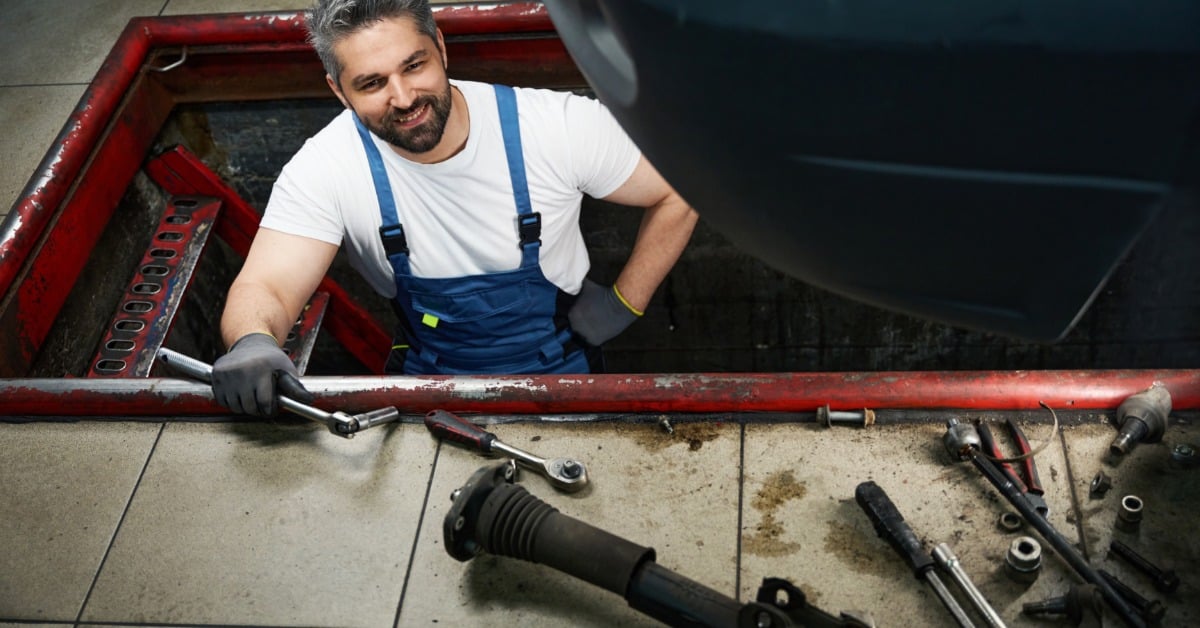
Transmission Fluid Analysis
The transmission is the second most critical component for highway driving. Step-vans carry heavy loads, and sustained highway speeds heat up the transmission fluid. Pull the dipstick and smell the fluid. It should be bright red and smell like oil, not burnt toast. If it looks dark or smells burnt, drop the pan and change the fluid and filter.
Tires and Suspension
Blown tires are the most common cause of roadside breakdowns. You might have plenty of tread for tooling around town, but at highway speeds, the heat can cause older tires to delaminate.
Deep Dive Into Tire Condition
Check the tread depth on all tires, including the inner duals on the rear. Uneven wear patterns indicate alignment issues or suspension problems that can cause the vehicle to vibrate aggressively at 65 MPH. More importantly, check the manufacturing date code on the tire sidewall. If the tires are more than six years old, replace them before a long trip.
Wheel Bearings and Suspension Components
Jack up the front end and check for play in the wheels. Worn wheel bearings can seize up at highway speeds, causing catastrophic damage. While you are there, inspect the tie rod ends, ball joints, and kingpins. Any play in these components will make the van wander on the highway, forcing the driver to constantly correct the steering. This leads to driver fatigue, which is a major safety risk.
Fluids and Filtration
Fluids are the cheapest insurance you can buy for your engine. You simply cannot ignore them before a major trip.
Oil and Filters
Perform a fresh oil change regardless of your maintenance cycle. Highway miles are easier on oil than city miles, but starting with fresh lubrication gives you a baseline. Additionally, the fuel filter should be given special attention.
A partially clogged fuel filter might flow enough fuel for idling and low-speed driving, but it will starve the engine when you demand full power to merge onto an interstate or climb a hill. Change the fuel filters, including the water separator, if your van is a diesel.
Brake Fluid and Power Steering
Brake fluid absorbs moisture over time, lowering its boiling point. If there is water in the fluid, it boils, and you lose braking power. Test the brake fluid for moisture content and flush it if necessary. Additionally, check the power steering fluid level and condition. Dark fluid indicates internal wear in the pump or rack.

Visibility and Safety Systems
Your driver needs to be seen and to see. Lighting and visibility checks are mandatory for DOT compliance and general safety.
Lighting Inspection
Walk around the entire vehicle. Check headlights, high beams, turn signals, brake lights, and marker lights. Replace any dim bulbs immediately, as a burnt-out marker light is an invitation for a DOT inspection, which slows down your trip. Clean the lenses, too! A cloudy headlight lens reduces night visibility drastically.
Wipers and Mirrors
Old wiper blades streak and chatter, making it impossible to see during a thunderstorm. Install a fresh set of high-quality blades and fill the washer fluid reservoir with a bug-removing formula. Highway driving coats the windshield in insects, and plain water won’t always clean it off. Check the side mirrors and make sure they remain firmly in place. If a mirror vibrates loose at highway speeds, the driver loses their ability to see blind spots.
Driver Comfort and Emergency Preparedness
The human element is just as important as the mechanical one. After all, a fatigued or uncomfortable driver is more likely to make mistakes.
Climate Control and Cab Comfort
Verify that the air conditioning is blowing cold and the heater is blowing hot, because you might encounter multiple weather systems in a single cross-country trip. Inspect the driver’s seat as well. If the seat is worn out, the driver will be in pain after an hour or two. Fix the seat mechanism so it adjusts properly.
The Emergency Kit
Things happen, and even the best-maintained vehicles can hit road debris or suffer a freak failure. Always equip the van with a proper emergency kit. This includes heavy-duty jumper cables, a fire extinguisher, reflective triangles, and a basic toolset. Include spare fuses and bulbs as well. Before the trip, give the driver a list of emergency contacts and fleet account numbers for tire repair or towing services.
Final Checks Before the Trip
Taking the time to thoroughly inspect every inch of your vehicle helps protect your asset, cargo, and your driver. Always remember that the cost of preventative maintenance is a fraction of the cost of an emergency repair and a missed delivery. By following these steps on how to prepare your step-van for a cross-country trip, you turn a potential logistical nightmare into just another smooth delivery.
Mill Supply provides a reliable source for walk-in van parts, ensuring your fleet is in top condition and ready to hit the road for everything from local deliveries to cross-country journeys. Keep your vehicles running smoothly with high-quality parts you can count on. Explore our inventory today!
Leave a Reply