
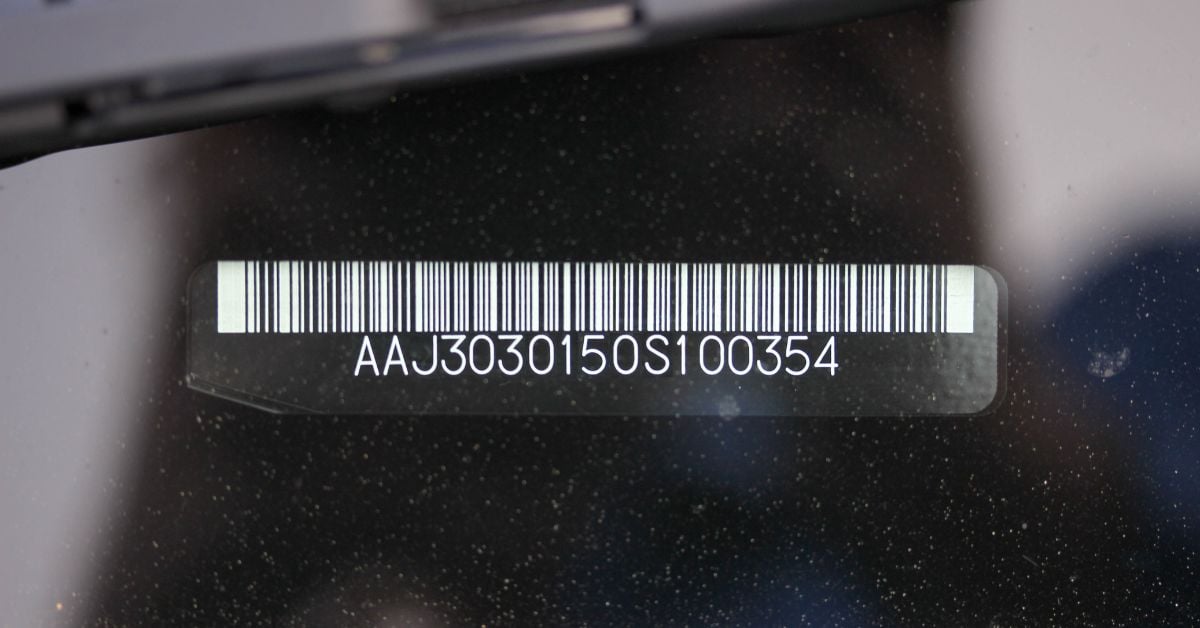
When it comes to maintaining your car’s condition and staying informed about its history, your vehicle identification number (VIN) is crucial. Whether you’re purchasing a car, ordering parts, or checking for recalls, knowing how to locate and decode your VIN can save you time and provide valuable insights. This guide will walk you through everything you need to know about VINs, from where to find them to understanding what the numbers mean.
What Is a VIN?
A vehicle identification number, or VIN, is a unique 17-character code assigned to every vehicle by its manufacturer. Think of it as your car’s fingerprint, uniquely identifying it among millions of others on the road. The VIN encodes critical information, such as the manufacturer, model, vehicle type, and key production details.
Beyond identification, VINs play a critical role in maintaining accurate vehicle records. From tracking production to assessing a car’s history after multiple ownership changes, the VIN ensures high transparency for both automobile buyers and sellers. Understanding your VIN can also be beneficial when repairing your vehicle, as it provides essential details about the car’s background and specifications.
The History of VINs
VINs were first introduced in the United States in 1954 to help manufacturers and owners keep track of vehicles. At that time, there was no industry-wide standard in place, and each manufacturer developed its own method for assigning identifiers. This lack of consistency created challenges for vehicle registration, tracking, and repair.
The current 17-character VIN format was established in 1981 by the National Highway Traffic Safety Administration (NHTSA) to provide a comprehensive system that assigned unique identifiers to every vehicle. Today, this system is used globally, ensuring that every vehicle can be easily traced and identified.
Where To Find Your Vehicle VIN
Your vehicle’s VIN can usually be found in a few key spots on both the interior and exterior of your car. Here are the most common places to locate it:
- Driver’s side interior dashboard: Look at the lower-left corner of your car’s windshield, visible from the outside. This is often the easiest spot to check for the VIN.
- Driver’s side door jamb: Open the driver’s side door and check the door jamb. You’ll typically find the VIN on a sticker alongside other vehicle information.
- Under the hood: The VIN may be found on the front of the engine block and is usually visible when you open the hood.
- Front end of the frame: For trucks or older vehicles, you might find the VIN on the front of the vehicle’s frame, located between the front carb and the windshield washer unit.
Be sure to write it down for safekeeping, as you’ll need it for critical tasks, such as checking its history or ordering replacement parts.

A Guide to VIN Characters
VINs contain 17 characters, including letters and numbers, which provide key information about your vehicle. Understanding how to decode your VIN can help you uncover key details about your car’s history and specifications. Here’s a step-by-step guide to breaking it down section by section.
First Three Digits: World Manufacturer Identifier
The first three characters of your VIN make up the World Manufacturer Identifier (WMI). These digits signal where the vehicle was made and the type of manufacturer that produced it.
- The first character is a letter or number that identifies the country of origin. For example, one, four, or five indicates the United States, while J indicates Japan, and W indicates Germany.
- The second character is a letter or number that tells you the vehicle’s manufacturer. However, some characters represent multiple brands, so the third digit provides additional clarity.
- The third character specifies the vehicle type or manufacturing division in combination with the first two characters.
Fourth Through Eighth Digits: Vehicle Description Section
The fourth through the eighth digits provide detailed information about the vehicle’s model, series, and any safety features. It can also offer information about the vehicle’s body type, engine type, transmission type, and restraint system.
Manufacturers use this section to encode specifics that help identify unique configurations, ensuring accurate parts or service applications. This section can vary between automakers, but it holds key details about your car’s design and performance.
Ninth Digit: Check Digit
The ninth character is the check digit, a safeguard used to detect invalid VINs. This digit is calculated using a mathematical formula, and its inclusion helps verify the authenticity of the VIN.
Tenth Through Seventeenth Digits: Vehicle Identifier Section
The remaining eight digits form the vehicle identifier section (VIS), which includes details such as the model year and the plant where the vehicle was manufactured.
- The tenth digit reveals the model year of the vehicle, represented by a letter or number.
- The eleventh digit identifies the assembly plant the vehicle was manufactured in.
- The final six digits serve as the vehicle’s production sequence number, marking its unique spot on the assembly line.
Other Ways VINs Inform Drivers
Now that we have outlined how to find and decode VIN characters, let’s explore its other practical uses that every vehicle owner should be aware of. These include key details about your car’s history and overall safety.
Registration History
A VIN provides a detailed record of a vehicle’s registration history, offering valuable insights into previous ownership. For example, it can confirm whether the car has had multiple owners, if it was ever registered in another state or country, or if it was previously used as a fleet or rental vehicle. Knowing this information adds transparency and helps avoid cars with hidden issues, such as disputed ownership or tampered odometers.
Recall Information
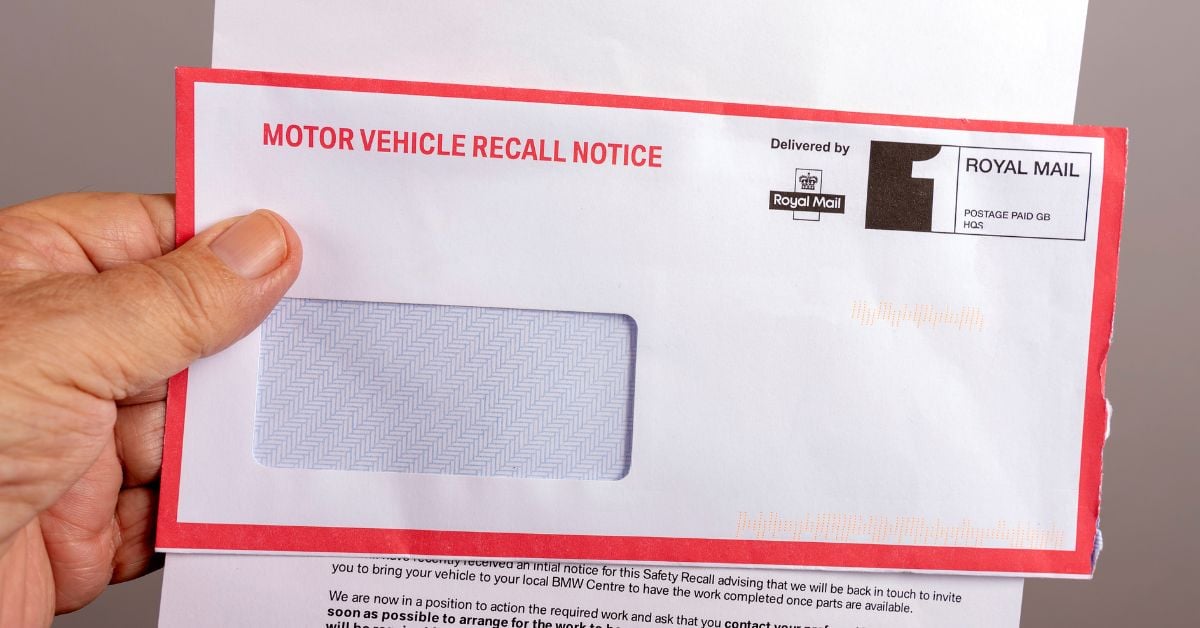
Manufacturers use VINs to issue recalls for vehicles with faulty parts or safety issues. By checking your VIN on recall databases, you can quickly determine if your car requires repairs or upgrades. This ensures you stay ahead of safety concerns and avoid unnecessary risks. Staying informed about recalls might even save you money since most recall repairs are covered by the manufacturer at no cost to you.
Accident History
A VIN lookup reveals whether a car has been in any reported accidents and highlights any significant repairs or structural damage. This is especially useful when buying a used vehicle, as it helps you gauge the car’s condition and determine its true value. Knowing this history also helps prevent overpaying for a car with hidden flaws.
Theft Records
VIN numbers serve as a crucial tool in combating vehicle theft. Law enforcement agencies, insurers, and government databases use VINs to track stolen cars. A quick VIN check can reveal if a vehicle has been reported stolen, giving you peace of mind before finalizing a purchase. For stolen vehicles that are recovered, VINs help confirm rightful ownership and facilitate their return to the owner.
Final Thoughts
Understanding your VIN can save you time, money, and stress. From checking your vehicle’s history to staying up to date on recalls, your VIN is the key to smarter car ownership.
From ensuring accurate box truck replacement parts to investigating past owners or recalls, your VIN holds vital information at your fingertips. Whether you’re buying, selling, or maintaining your car, this knowledge is key for a smoother and more informed ownership experience.
Leave a Reply