Slip-on panels are not just an accessory but a crucial component that can save drivers time, money, and effort. Check out the many things to know about automotive slip-on panels; these versatile, specialized components are suitable for both pro and DIY mechanics.
Whether you are a car enthusiast, DIY auto repairer, run an auto body shop, or manage a fleet of vehicles, understanding slip-on panels is essential. Get a clearer understanding of why these panels are indispensable in modern automotive engineering so you can use them properly.
The Slip-On Panel Difference
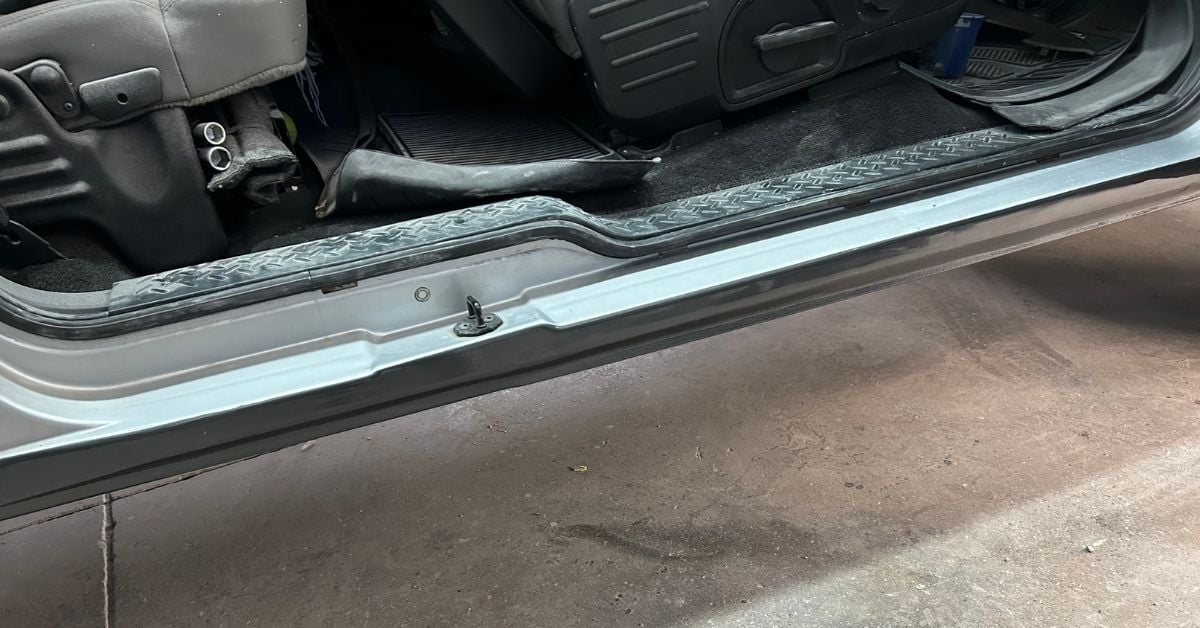
Slip-on panels are prefabricated metal or plastic sheets designed to fit over existing damaged or corroded vehicle parts. Slip-on panels are specifically made for repairing rocker panels.
In automotive engineering, rocker panels play a significant role in maintaining the structural integrity and aesthetic appeal of a vehicle.
Understanding the importance of slip-on panels goes beyond their immediate utility. They offer a practical solution that addresses both functional and cosmetic issues, making them an invaluable asset in automotive maintenance and repair.
Differences in Functionality and Design
When it comes to slip-on panels, variety is the name of the game. These panels come in different materials, each offering unique benefits.
Metal slip-on panels, usually made of steel or aluminum, are popular for their strength and durability in comparison to plastic slip-ons. Plastic panels, on the other hand, are lightweight and resistant to corrosion, making them perfect for strictly aesthetic repairs.
The metal panels are more structurally sound than plastic alternatives, but that’s not the only difference you should know. The most structurally sound solution is an OE-style panel. The OE-style panels provide a complete replacement of the panel that has suffered excessive rust damage.
OE-Style Panels vs. Slip-Ons
Modern slip-on panels are meticulously crafted to blend as seamlessly as possible with the vehicle’s original design, ensuring that repairs do not compromise the vehicle’s aesthetic appeal.
The slip-on provides a more aesthetically appealing look than a truck body besieged by rust or in desperate need of some TLC. Understanding the different types of slip-on panels helps you make an informed decision, whether you are looking for durability, functionality, or design excellence.
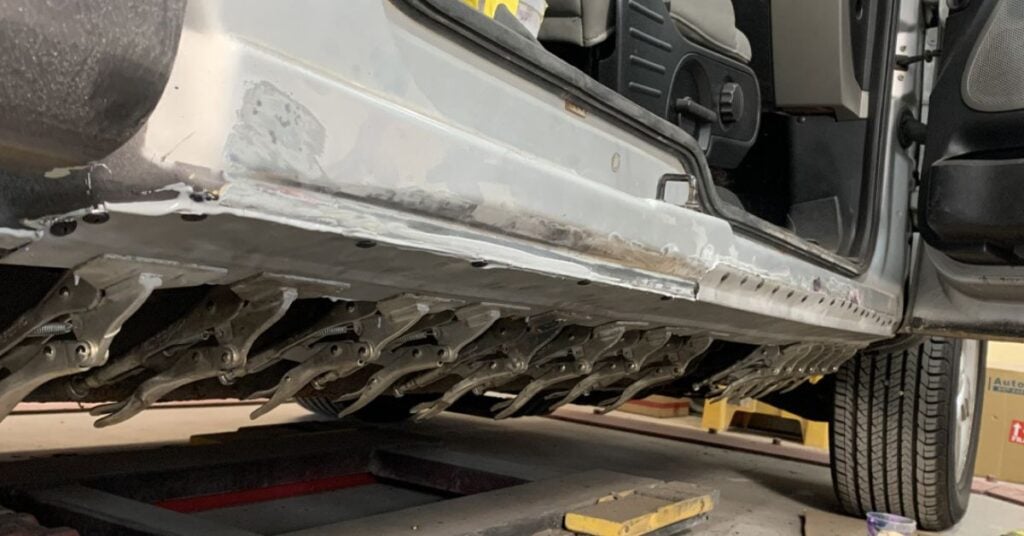
However, since OE-style panels are an excellent solution for rust repairs, it’s critical to know when to choose it over slip-ons. An OE-style panel is a full replica of your rocker panel, so it is a much more personalized and precise solution. This solution delivers a comprehensive replacement for the rocker panel to accomplish far more than a quick touch-up.
Biggest Benefits of Slip-On Panels
Slip-on panels offer a plethora of benefits across various automotive sectors. For car enthusiasts and DIY repairers, these panels provide an easy and cost-effective way to maintain their vehicles.
They eliminate the need for complex tools and extensive labor, making vehicle repairs accessible to everyone. Auto body shops benefit from slip-on panels by reducing turnaround times.
The ease of installation means that more vehicles can be serviced in a shorter period, increasing overall productivity. Fleet owners will find slip-on panels particularly advantageous as they help maintain a uniform appearance across all vehicles, thereby enhancing brand image and reducing maintenance costs.
The versatility and convenience of slip-on panels make them an invaluable tool, catering to the unique needs of different automotive sectors.
Choosing the Right Slip-On Panels
Another thing you should know about automotive slip-on panels is that your installation options will vary. Selecting the right slip-on panels for your vehicle involves several considerations. First, identify the specific area that needs repair—the rocker panel.
Next, consider the material. If you need structural support, OE-style panels are the go-to option. For quick repairs, metal slip-on panels might be more suitable.
Another critical factor is the fit. Ensure that the slip-on panel you choose is compatible with your vehicle’s make and model.
Beyond considering the right fit, consider the manufacturer’s reputation. Quality can vary significantly, so opting for a reputable brand ensures durability and reliability. By following these guidelines, you can choose slip-on panels that not only meet your immediate needs but also offer long-term benefits.
DIY vs. Professional Installation
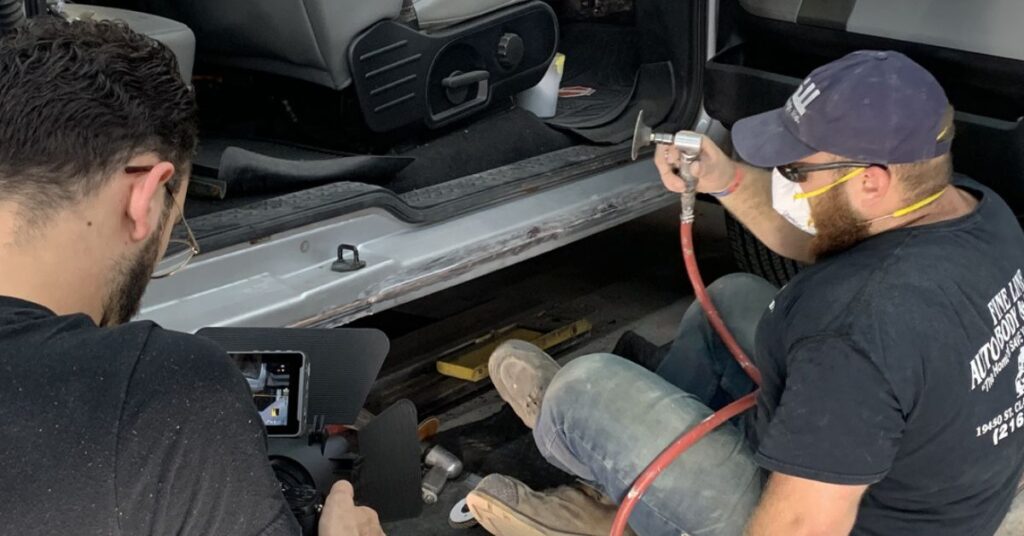
Installing slip-on panels can be a rewarding DIY project or a task best left to professionals, depending on the complexity of the repair. For those inclined toward DIY, the process generally involves cleaning the damaged area, aligning the slip-on panel, and securing it in place using adhesive, self-tapping screws, welds, or any other method you see fit.
It’s a straightforward method that requires basic tools and a bit of patience. However, for more extensive repairs or if you lack the necessary tools, professional installation is advisable.
Professionals not only ensure a perfect fit but also use advanced techniques to secure the panels, providing a more durable solution. They also handle additional steps like rust treatment and paint matching, ensuring that the repaired section blends seamlessly with the rest of the vehicle.
Maintenance Tips To Prolong Panel Life Span
Once installed, maintaining slip-on panels is crucial for their longevity. Regular cleaning is the first step. Dirt and grime can accumulate and cause corrosion, so make it a habit to clean the panels periodically. Use mild soap and water, avoiding harsh chemicals that could damage the material.
Inspect the panels regularly for signs of wear and tear. Look for any loose fittings or scratches that could worsen over time. This is especially important to do after installing the panels because installation mishaps will only get worse over time, from poor panel placement to loose screws.
Addressing these issues promptly can prevent more significant problems down the line. Following these maintenance tips ensures that your slip-on panels remain in excellent condition, providing long-term benefits and enhancing the overall appearance of your vehicle.
Whether you are new to the concept or already a seasoned user, staying informed about the latest trends and advancements is key to making the most of what slip-on panels have to offer.
For those interested in exploring more about slip-on panels or seeking expert advice, consider connecting with industry professionals or joining automotive communities where you can share experiences and gain insights. You can also browse our auto body parts for sale online at Mill Supply to find slip-on panels, original equipment–type panels, and other components to keep your truck road-ready and looking good.
Leave a Reply