
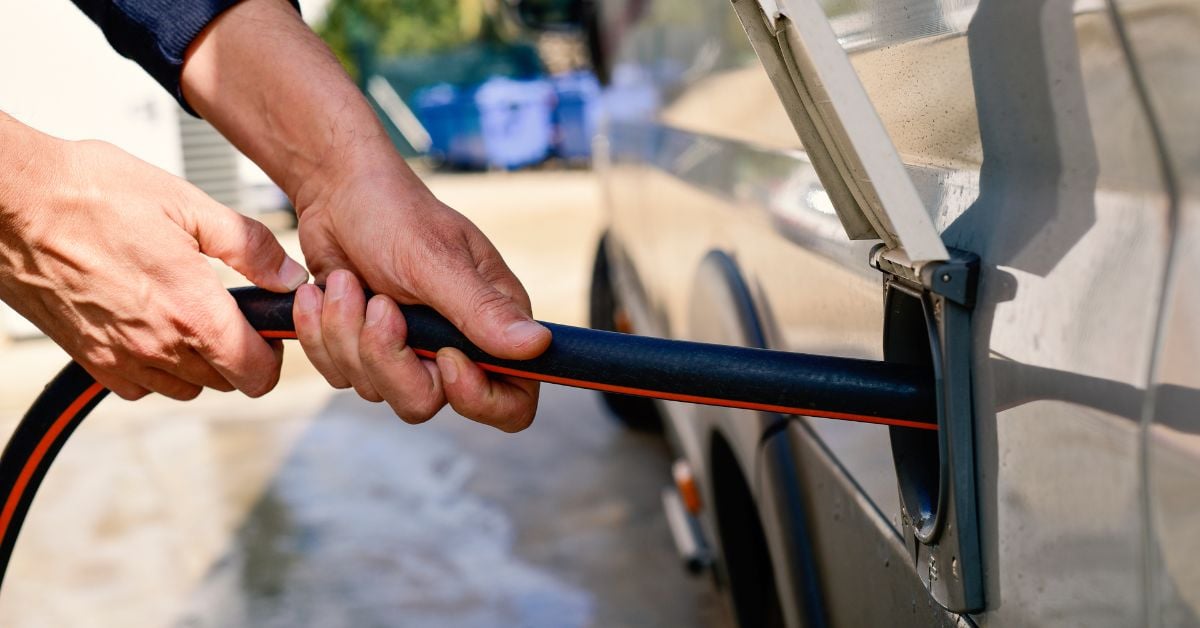
RV plumbing problems can turn a vacation into a nightmare. Nearly every RV owner will face plumbing issues at some point, ranging from minor leaks to system failures. Fortunately, many of these issues have straightforward solutions that any RV owner can handle.
Tackle seven common RV plumbing problems with basic tools and troubleshooting solutions. You’ll learn how to identify and fix problems early on.
Plumbing System Leaks
Water leaks are the top issue. They typically develop at connection points, around faucets, and along loose supply lines.
RV owners should regularly inspect visible water lines and connections for signs of moisture, such as wet spots, warped floors, or actual dripping sounds. Check around the water pump, beneath the sink, and near the water heater.
Loose fittings usually require only hand-tightening or a quarter-turn with appropriate tools, while cracked lines need replacement sections. Replace worn washers and O-rings in faucets and connections where you find moisture or mineral deposits. Always turn off your water pump and drain the system before starting any repair work to replace broken plumbing components.
Clogged Drains
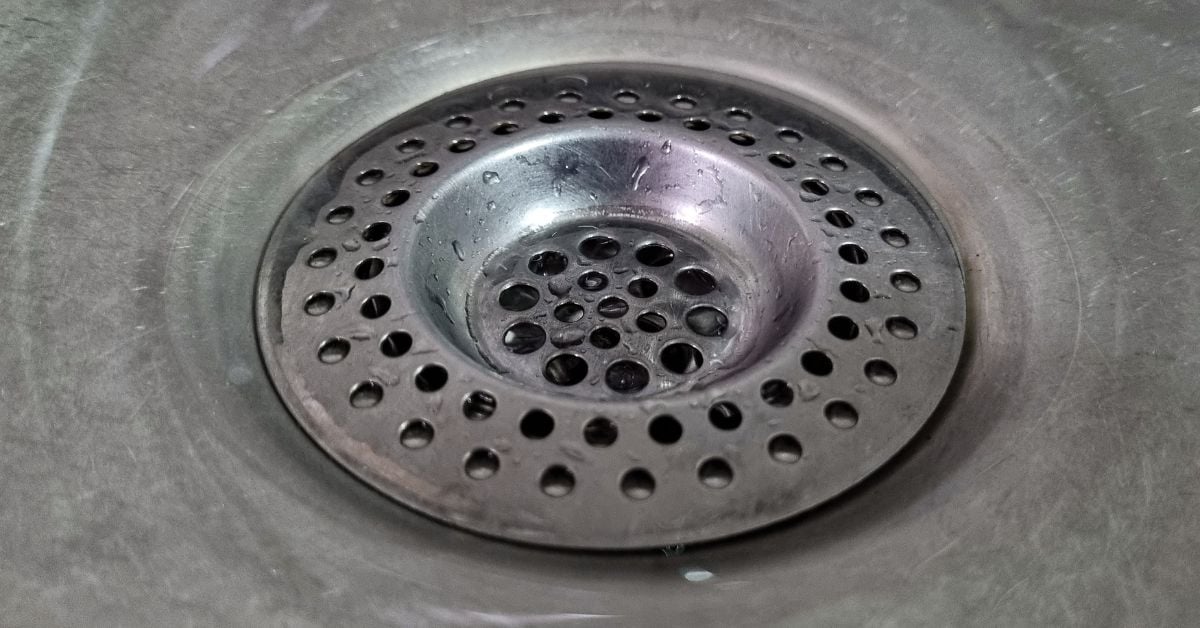
Small RV drain lines clog more easily than residential systems due to their narrower pipes and lower water volume. Therefore, it’s harder to flush debris. Hair, soap residue, food particles, and grease can quickly accumulate, making minor buildups cause significant blockages.
If you notice visible debris near your drain opening during an inspection, remove it before attempting to clear blockages further down the line. Avoid using harsh chemical drain cleaners, as they can damage RV plumbing components and holding tank sensors.
For stubborn clogs, a plumber’s snake designed for small pipes works effectively without risking damage to the system. Prevention remains the best approach through regular cleaning, using a drain screen, and careful disposal of waste materials that might accumulate in drain lines.
Clogged Toilets
RV toilets operate differently from residential models, using minimal water and relying on gravity flow to transport waste to black water holding tanks. Clogs commonly result from insufficient water during flushing, inappropriate items being flushed, or buildup in the waste valve mechanism.
The first step in clearing toilet clogs involves adding water to the bowl and using gentle plunging motions with a toilet plunger designed for RV use. If this doesn’t resolve the issue, the problem may lie in the waste valve or the line leading to the holding tank.
Sometimes, clogs occur between the toilet and the holding tank, requiring access through cleanout ports, if available. Frequent holding tank treatments help break down waste and prevent buildup that leads to clogs. Lastly, use only RV-safe toilet paper and adequate water with each flush to prevent future occurrences.
Low Water Pressure
Weak water flow from faucets and showerheads makes basic tasks, such as dishwashing and showering, frustrating experiences. Multiple factors can cause pressure problems in RV plumbing systems, from simple filter issues and air in the water lines to complex pump malfunctions.
Start troubleshooting by cleaning or replacing aerators on faucets and removing mineral deposits from showerheads by soaking them in vinegar solutions. Next, turn your attention to the freshwater intake filter, which prevents debris from entering the system; clean it thoroughly or replace it if necessary. Should the issue persist, inspect the water pump for signs of wear or damage.
Additionally, ensure that all water valves are fully open. Check the supply lines for kinks or other damage that might restrict the flow. To eliminate trapped air, run water at the highest fixture until the flow stabilizes. If these steps fail to resolve the issue, it may be time to replace the pump or seek professional assistance.
Water Pump Malfunctions
RV water pumps create pressure for your plumbing system when you’re not connected to city water supplies. Pump problems appear as cycling issues where the pump runs constantly, makes unusual noises, or produces inconsistent pressure throughout the system.
Pumps that cycle rapidly without water flow typically have internal pressure switch problems or significant leaks elsewhere in the system. Check all visible connections for leaks before assuming pump failure, as even minor leaks can cause the pump to cycle continuously.
For water flow issues, confirm that the freshwater tank has an adequate water supply. Clogged filters or air trapped in the lines often disrupt flow, so clean the filters and run water to release air. Persistent problems may indicate a worn or failing pump requiring replacement.
Water Heater Issues
RV water heaters provide hot water using either propane or electricity, but they can sometimes experience issues that impact the vehicle’s functionality and comfort. Common symptoms include a lack of hot water production, insufficient water temperature, or pilot light problems in propane models. Water heater issues often stem from component failures, neglect in maintenance, or operational errors.
Sediment buildup in the tank reduces heating efficiency and can cause premature failure. Drain and flush the water heater regularly to remove accumulated sediment.
Inspect the pilot light on gas water heaters and relight it if necessary, following the manufacturer’s instructions carefully. For electric heaters, check that heating elements haven’t failed and replace them if needed.
Frozen Pipes
Cold weather poses serious threats to RV plumbing systems, which offer less protection than residential plumbing systems. Water lines run through unheated compartments and external walls where freezing temperatures can quickly cause damage. Prevention proves far more effective than dealing with frozen or burst pipes after the damage has occurred.
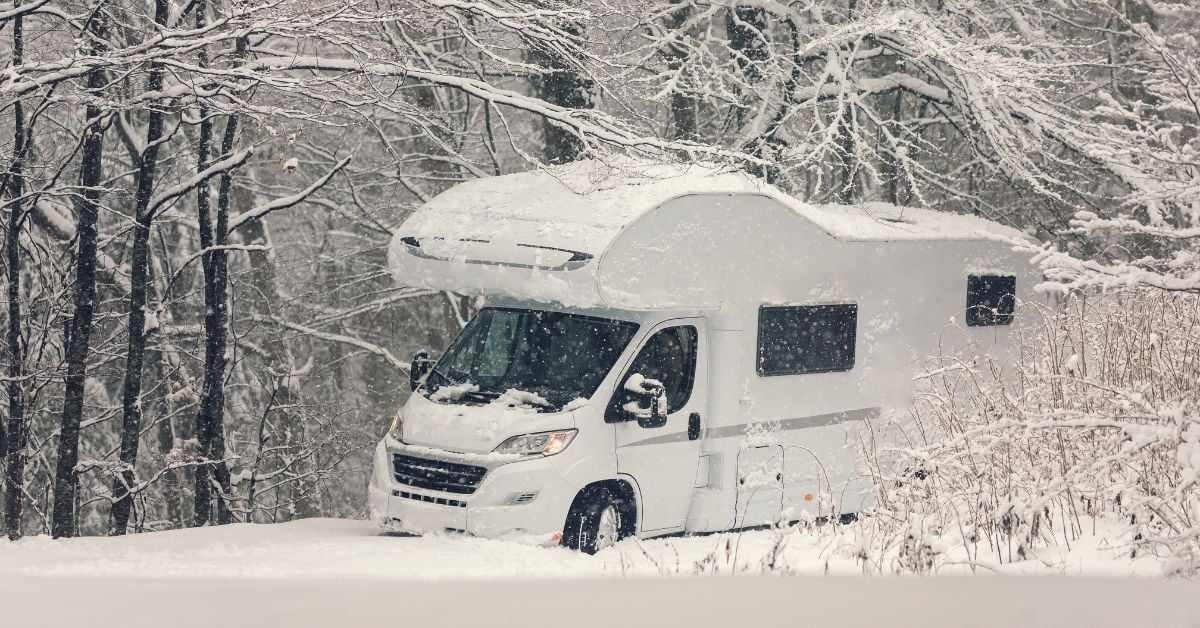
Draining the water system completely to winterize your RV offers the best protection when temperatures drop below freezing for extended periods. Open cabinet doors near exterior walls to allow warm air circulation around plumbing fixtures and supply lines.
If pipes do freeze, gradual warming prevents damage from rapid expansion. Use hair dryers or heat tape rather than open flames or excessive heat that can damage components. Additionally, never force water through frozen lines; this can cause pipes to rupture when ice prevents the water flow.
Keep Your RV Plumbing Running Smoothly
Regular maintenance prevents common RV plumbing problems before they become serious issues that require expensive repairs or professional service calls. Simple inspections and basic care can extend the lifespan of your plumbing components, ensuring reliable operation during your travels. Understanding these common problems and how to troubleshoot them gives you the confidence to handleplumbing emergencies anywhere your adventures take you.
When it comes to RV repairs, rely on Mill Supply for a wide range of recreational vehicle parts and accessories to keep your vehicles in great condition. Browse our online store today and find exactly what you need!
Leave a Reply