
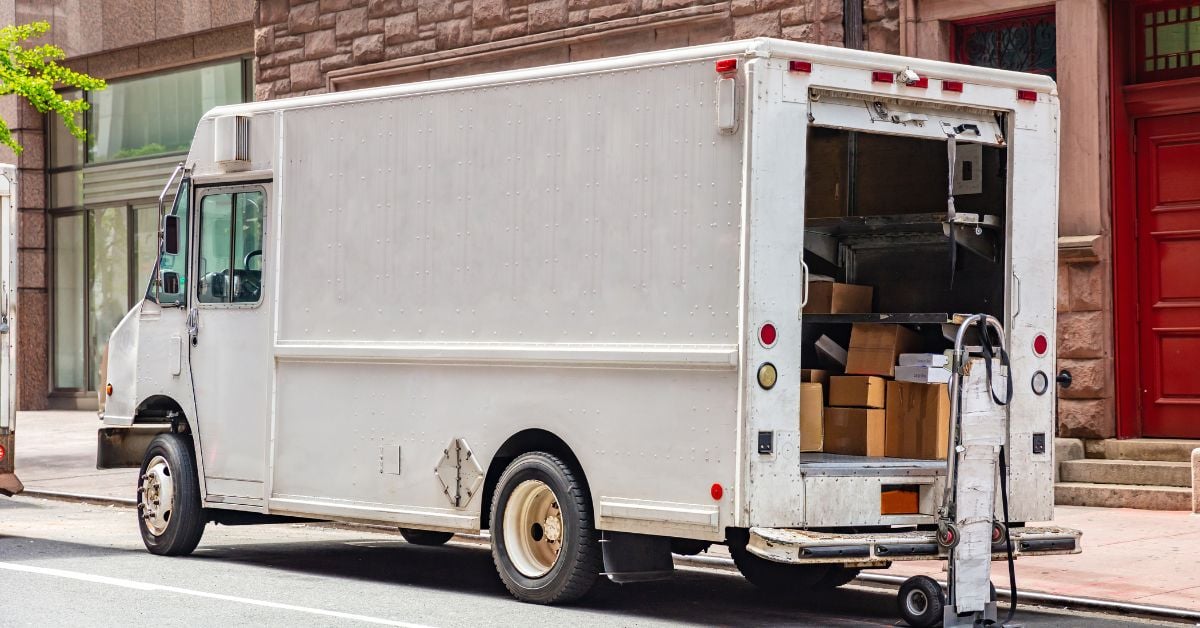
Truck roll-up doors endure constant use, weather exposure, and mechanical stress throughout their service life. These doors protect valuable cargo and play a critical role in the efficient operation of commercial fleets. The best approach to ensuring the longevity and reliability of truck roll-up doors is to implement a regular maintenance routine consisting of preventive and reactive measures.
This guide provides fleet managers with all the information they need to maintain truck roll-up doors and ensure their long-term performance.
The Importance of Roll-Up Door Maintenance
Roll-up doors operate under extreme conditions that accelerate wear and tear. Daily opening and closing cycles, exposure to moisture, and temperature fluctuations create an environment where mechanical components deteriorate rapidly. Without proper maintenance, these doors can fail unexpectedly, leaving vehicles vulnerable to theft, weather damage, and operational delays.
Preventive maintenance identifies issues with key components such as hinges, rollers, or tracks before they lead to complete door failure. Detecting problems early reduces costly emergency repairs and prevents trucks from sitting idle due to non-functional doors. A systematic maintenance approach extends the life of roll-up doors and maintains consistent performance across your entire fleet.
7 Essential Roll-Up Door Maintenance Tasks
Effective roll-up door maintenance requires systematic attention to seven key areas. Each task addresses specific components that contribute to enhanced door performance and longevity.
Inspect the Door’s Key Components
Regular visual inspections help identify potential problems before they lead to failures. Start by thoroughly examining high-wear areas such as hinges, rollers, and track connections, as these components endure the most stress during operation and are prone to wear and tear.
Additionally, pay close attention to door panels, weather seals, and mounting hardware, as damage in these areas can compromise the door’s functionality and efficiency. Afterward, document any abnormalities and schedule repairs promptly to prevent further damage.
Test the Door’s Tension
Proper spring tension ensures smooth door operation and prevents premature wear. Disconnect the door opener and manually lift the door halfway up its travel. The door should remain in position without assistance when properly balanced.
If the door falls or rises on its own, the spring tension requires adjustment. However, adjustments should only be performed by a qualified professional due to the safety risks involved.
Clean the Tracks and Rollers
Dirt, debris, and road grime accumulate in door tracks, creating friction that strains mechanical components. Clean tracks monthly using a stiff brush and degreasing solution, removing all foreign materials that could interfere with roller movement. Be sure to wipe down the tracks completely and remove any excess debris. Freshly cleaned tracks and rollers are essential for the next steps in truck roll-up door maintenance and for achieving long-lasting use.
Lubricate Mechanical Parts
Proper lubrication reduces friction, prevents corrosion, and extends component life. Apply high-quality lubricant to all moving parts, including hinges, rollers, tracks, and springs. Use lubricants specifically designed for heavy-duty commercial applications that resist water washout and temperature extremes.
It’s essential to avoid over-lubrication, as it can attract dirt and debris, resulting in accelerated wear. Lubrication schedules should be determined by operating conditions, with more frequent servicing required in harsh environments.
Replace Worn-Out or Damaged Parts
Worn components compromise door performance and accelerate damage to related systems. Damaged rollers, worn hinges, and deteriorated seals should be replaced before they lead to secondary problems.
When sourcing replacement parts, ensure compatibility with existing door systems for a proper fit and performance. Quality cargo van parts suppliers offer comprehensive catalogs that help identify the correct components for specific door models.
Prevent Rust and Corrosion
Corrosion weakens metal components, creating operational problems. Regular inspections of doors are essential to check for rust spots, particularly in areas exposed to road salt and moisture. Thorough cleaning of affected areas, followed by the application of protective coatings, can help prevent further deterioration.
When corrosion is discovered, it should be addressed immediately. Small rust spots are best treated with wire brushing and a coat of protective paint. Extensive corrosion may require component replacement to maintain structural integrity and operational reliability.
Schedule a Professional Service
Professional maintenance services include comprehensive inspections that identify potential problems and address complex issues that require specialized tools and expertise before they cause widespread issues. Roll-up door technicians have access to specialized diagnostic equipment and genuine replacement parts that ensure optimal repairs to keep your fleet running as usual. Schedule professional service based on manufacturer recommendations and operating conditions.
When To Schedule a Professional Roll-Up Door Service
In certain instances, preventative maintenance is insufficient to resolve issues with roll-up doors that require professional attention. For example, doors that operate slowly, make unusual noises, or refuse to open need immediate attention. While fleet managers may take some troubleshooting measures to diagnose or alleviate the issue, in some cases, particularly those with safety concerns, it is advisable to schedule repairs with a professional specializing in roll-up doors.
Even if your fleet is not experiencing these issues, it is best practice to schedule professional servicing at least once annually. However, trucks operating in harsh conditions and high-mileage vehicles with frequent door cycles often need more frequent professional attention than those in moderate climates. Fleet managers should establish service schedules based on specific operating conditions and manufacturer recommendations.
Tips for Keeping Roll-Up Doors in Good Condition
Proper operational practices, along with regular maintenance, play a crucial role in extending the lifespan and improving the performance of roll-up doors. Following these guidelines helps prevent premature wear and costly repairs.
Operate Doors as Intended
Drivers can prevent roll-up door issues by simply avoiding forcing doors open or closed when resistance is encountered. Instead, allow doors to open and close at their intended speed. Consistent operation techniques reduce wear and prevent damage caused by improper handling.

Address Repairs Promptly
Minor problems can quickly escalate into major failures if ignored. When brought to your attention, address minor issues immediately to prevent further damage to connected components. Postponing repairs not only increases costs but also leads to more extended and disruptive downtime.
Follow a Documented Maintenance Schedule
Fleet managers should develop comprehensive maintenance schedules that address all critical door components, including inspection frequencies, lubrication intervals, and replacement schedules for wear items. Adjust schedules as needed to address changing operating conditions or fleet requirements.
Maximize Your Fleet’s Reliability
Effective truck roll-up door maintenance protects valuable cargo while ensuring operational efficiency. The strategies outlined in this guide provide fleet managers with practical tools to prevent costly failures and extend the life of their vehicles. At Mill Supply, we stock and ship a wide range of replacement roll-up door parts for step vans and box trucks, ensuring your fleet continues to operate as usual. Browse our website today, and feel free to contact a representative for personalized recommendations and friendly assistance tailored to your specific needs.
Leave a Reply