

Hearing an odd sound coming from your vehicle’s engine can evoke annoyance and concern. Distinctive metal pinging sounds are typically a sign of a more serious issue that could lead to expensive repairs if you don’t do anything to address them. This noise occurs when fuel combusts unevenly in your engine’s cylinders, creating pressure waves that collide and produce the characteristic knocking or pinging.
Understanding the causes of engine knocking and what to do about them will help you stay safe while keeping your car running longer. This guide breaks down what you need to know.
Faulty Knock Sensor
Your knock sensor detects abnormal combustion and sends signals to your engine’s computer to adjust timing. When this sensor fails, you might see a check engine light, notice decreased engine performance, or hear persistent knocking sounds. The engine computer cannot make necessary timing adjustments without proper sensor feedback.
A professional diagnostic scan can identify knock sensor problems through error codes in your vehicle’s computer system. Replacing a faulty knock sensor may require removing the intake manifold or other engine components, depending on your vehicle model, making this repair best suited for experienced mechanics. The good news is that this repair typically costs less than major engine damage from continued knocking.
Low-Octane Fuel
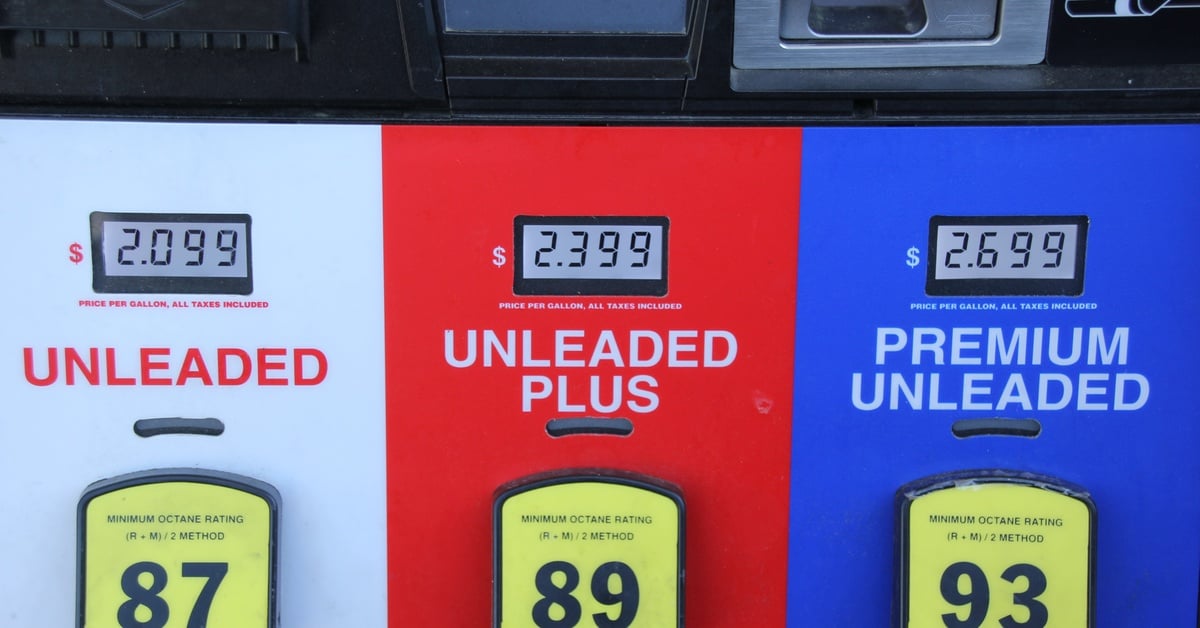
Using fuel with an octane rating lower than your engine’s requirements might cause premature ignition and knocking sounds when you accelerate. Octane is a measure of a fuel’s ability to resist knocking or pinging during combustion, which is crucial for maintaining engine performance. High-performance engines, in particular, suffer from low-octane fuel because they operate at higher compression ratios.
To resolve this issue, switch to a higher-octane fuel rating that matches your vehicle manufacturer’s recommendations. Most standard engines perform well with 87-octane regular gasoline, while performance engines may require 91- or 93-octane premium fuel. Although premium fuel is more expensive upfront, it can help prevent costly engine damage over time.
Low Engine Oil Level
Insufficient engine oil creates excessive friction between moving parts, generating heat that can cause knocking sounds from your engine. Low oil levels also reduce the lubricating film thickness between components, such as pistons, cylinders, and bearings. If this is the issue, you’ll likely hear knocking sounds that worsen as the engine warms up or works harder.
Regular oil maintenance prevents this type of knocking and protects your engine from costly damage. Check your oil level using the dipstick when the engine is cool and add the manufacturer-recommended oil type if levels are low. Change your oil filter and perform a complete oil change if the oil appears dark, thick, or contaminated.
Imbalanced Air-Fuel Mixture
An incorrect air-fuel mixture creates uneven combustion, producing knocking sounds and reduced engine performance. A lean mixture, which occurs when there’s too much air and not enough fuel in the engine, burns hotter and faster than normal. This can lead to issues such as rough idling, poor acceleration, and knocking noises as the engine struggles to operate efficiently.
A qualified technician can use diagnostic equipment to check fuel injector operation, oxygen sensor readings, and mass airflow sensor data to identify mixture problems. Cleaning or replacing faulty fuel injectors, oxygen sensors, or air intake components typically resolves mixture-related knocking. Professional diagnostic equipment identifies which component needs attention for effective repairs.
Damaged Spark Plugs
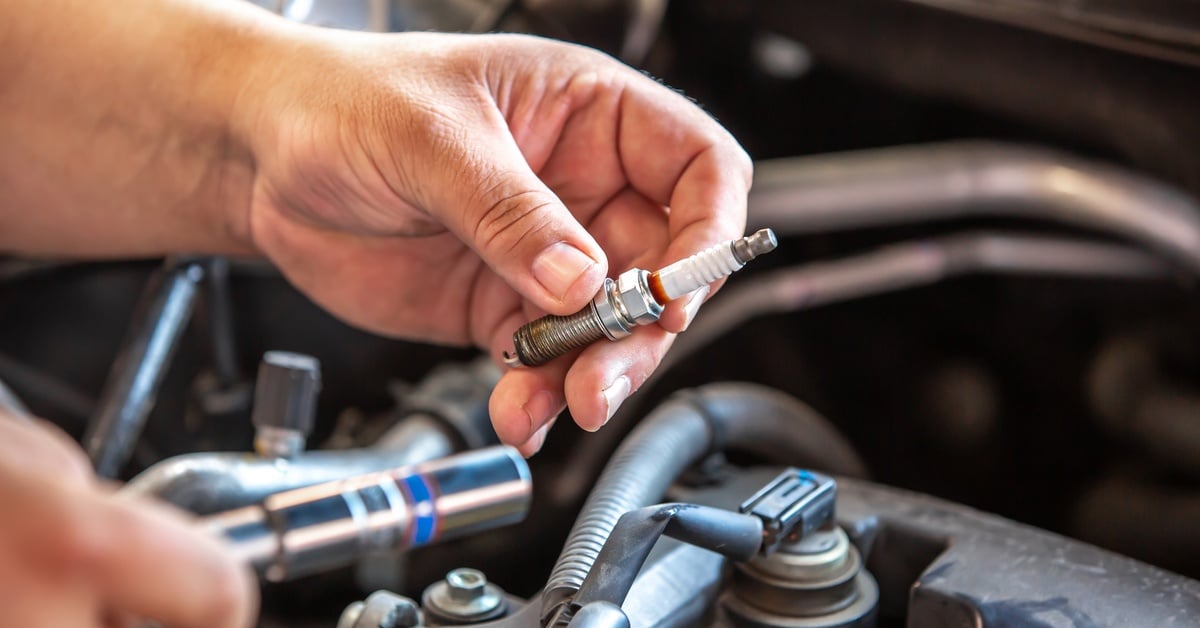
Worn or damaged spark plugs fail to ignite the air-fuel mixture at the proper time, causing irregular combustion and knocking sounds. Old spark plugs with worn electrodes create weak sparks that don’t completely burn the fuel mixture, leading to hot spots and pre-ignition.
Remove and inspect your spark plugs for wear, carbon buildup, or electrode damage to diagnose this problem. Replace spark plugs according to your vehicle manufacturer’s maintenance schedule, which typically recommends replacement every 30,000 to 100,000 miles, depending on the plug type. New spark plugs restore proper ignition timing and eliminate knocking caused by incomplete combustion.
Worn Rod Bearings
Rod bearings support the connecting rods that link pistons to the crankshaft, and when they wear out, they create a deep knocking sound from inside the engine block. The sound often resembles a heavy hammering noise rather than the lighter pinging associated with combustion knock. This mechanical knocking differs from combustion knock and indicates serious internal damage.
Worn rod bearings require engine disassembly and rebuilding, making this one of the most expensive repairs related to engine knock. The repair process can take several days and involves replacing bearings, possibly machining the crankshaft, and rebuilding the entire engine bottom end.
Incorrect Ignition Timing
Wrong ignition timing causes spark plugs to fire too early or too late in the combustion cycle. Modern engines use computer-controlled timing that can drift due to sensor failures or mechanical wear. When ignition timing is too advanced, the spark plugs fire before the piston reaches the optimal position, causing the air-fuel mixture to explode against the rising piston.
Professional diagnosis with timing equipment determines if ignition timing needs adjustment. Technicians use specialized tools to verify timing marks and sensor operation. Some timing problems require replacement of timing chains, belts, or sensors to restore proper engine operation.
Carbon Deposits
Carbon deposits form when fuel combusts incompletely, leading to residue buildup on the engine cylinder walls. These deposits reduce the space in the combustion chamber, increasing compression and causing fuel to ignite prematurely. This premature ignition disrupts expected engine timing, resulting in knocking noises during operation.
To resolve this issue, you can use a high-quality fuel system cleaner to break down carbon deposits. For severe cases, professional cleaning by a mechanic may be necessary to completely remove the buildup. Regular maintenance and using fuel with detergents can help prevent future carbon deposit accumulation.
Keep Your Engine Running Smooth
Engine knocking can stem from a variety of causes, and it signals problems that require immediate attention to prevent expensive damage. Now you know what to do to proactively address issues. Better yet, you can prevent most knocking through regular maintenance, such as timely oil changes, using the correct fuel octane rating, and replacing worn spark plugs. If knocking does occur, professionals can pinpoint the specific cause and make the proper repairs, restoring your engine’s smooth operation.
You can trust Mill Supply to be your reliable provider of the parts you need for vehicle repairs and ongoing maintenance, including work truck accessories. Browse our selection of parts for step vans, medium-duty trucks, box trucks, and more today!
Leave a Reply